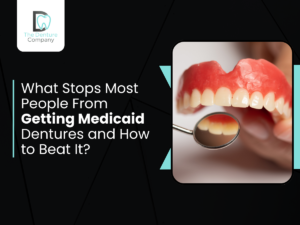
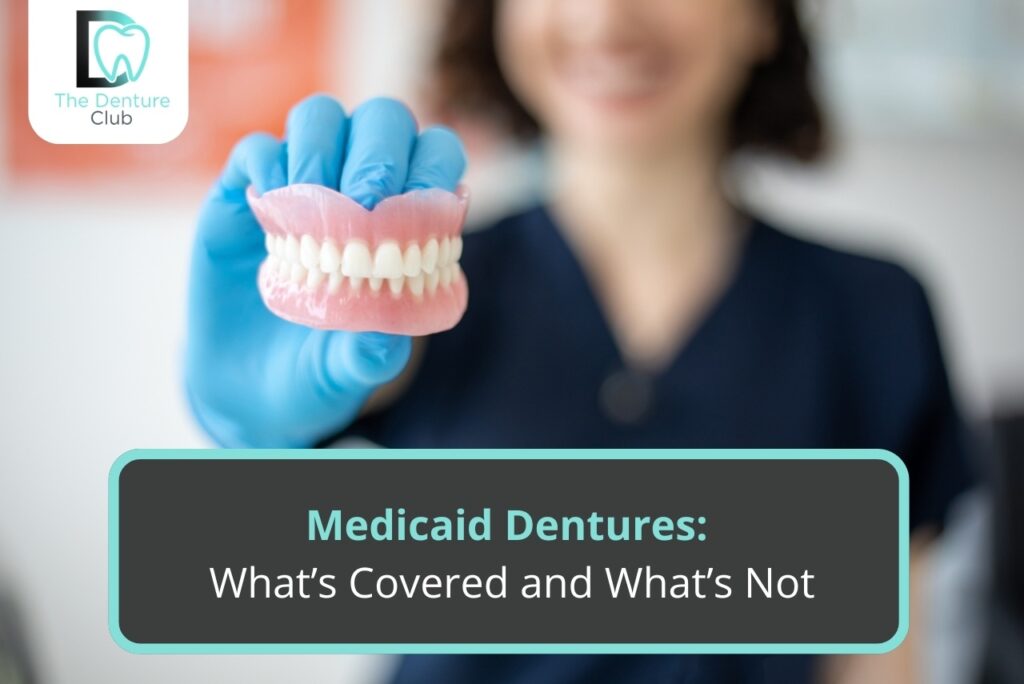
For many adults, especially seniors and those living on a limited income, dentures are not just a cosmetic choice, they’re a critical part of maintaining nutrition, speech, and overall health. But if you rely on Medicaid, understanding whether dentures are covered can be confusing. Medicaid dental benefits vary dramatically between states, with some offering full coverage and others providing little to no help. Knowing what’s covered and what’s not can help you avoid surprise costs and get the care you need.
This guide breaks down how Medicaid works for dentures, what to expect in different states, how the approval process works, and what alternatives exist if coverage is limited.
Understanding Medicaid Dental Coverage for Adults
According to Medicaid.gov, each state decides whether to provide adult dental benefits beyond what is federally required for children. That means while some states offer comprehensive coverage for dentures and extractions, others may limit benefits to emergency-only care.
For example, one state might fully cover complete dentures, while another may only pay for tooth removal if an infection poses a serious health risk. Understanding your state’s policy is the first step in determining if dentures are a covered benefit for you.
When Medicaid Covers Tooth Extractions
Many people first seek dentures after multiple extractions due to decay or injury. In some cases, extractions are necessary because the teeth are beyond repair. CMS.gov explains that Medicaid often covers medically necessary extractions, which can include emergency wisdom tooth removal or infected tooth extraction.
If you qualify for extractions, your state’s dental benefits may also allow you to move directly into denture treatment, but the timing and approval process vary.
The Role of Sedation Dentistry in Extractions
Patients facing urgent tooth removal often worry about pain and recovery time. That’s where sedation dentistry comes in. Whether it’s oral sedation dentistry, IV sedation dentistry, or twilight sedation, the goal is to make your procedure as stress-free as possible.
NIH.gov notes that dental sedation can help patients with dental anxiety, a strong gag reflex, or those undergoing multiple extractions in one visit. Medicaid coverage for sedation varies, but for medically necessary procedures such as impacted wisdom teeth sedation is sometimes included.
Pediatric Sedation Dentistry and Medicaid
If you are a parent, you might be concerned about pediatric sedation dentistry. CDC.gov states that children on Medicaid are entitled to comprehensive dental care under the Early and Periodic Screening, Diagnostic, and Treatment (EPSDT) benefit, which can include sedation when necessary for extractions or extensive treatment. This can be crucial for children with special healthcare needs or high anxiety in the dental chair.
Medicaid and Denture Replacement Options
When extractions are done, the next step for many patients is replacing those teeth. For some, full dentures are the best option; for others, partial dentures or denture implants offer a better fit and function.
HRSA.gov provides tools to locate community health centers, which often work with providers like The Denture Club to offer lower-cost denture solutions. While Medicaid may cover standard dentures, denture implants (also called implant-supported dentures) are rarely covered because they are considered elective although some states make exceptions for specific medical needs.
Immediate Dentures and Medicaid Coverage
The American Dental Association notes on ADA.org that tooth extractions are among the most common dental procedures for adults, and replacing missing teeth promptly can help prevent bone loss and changes in facial structure.
This is why some dentists recommend immediate dentures placed right after extraction to keep your smile and bite functional during healing. Medicaid coverage for immediate dentures depends on your state’s rules, but they can be a game-changer for confidence and daily comfort.
Wisdom Teeth Removal and Sedation Options
For teens and young adults, wisdom teeth can be a major concern. The AAPD.org emphasizes that impacted or infected wisdom teeth should be removed promptly to prevent serious complications.
In some cases, IV sedation wisdom teeth removal is recommended to ensure comfort, especially if multiple teeth are being removed in one visit. Medicaid may cover this if the procedure is medically necessary, though the type of sedation included in coverage will depend on state policy.
Surgical Extractions and Advanced Sedation
For more complex extractions such as severely impacted wisdom teeth or surgical removal of roots the AAOMS.org recommends IV sedation dentistry or moderate sedation. Conscious sedation and twilight sedation can make the experience more comfortable for patients with dental anxiety, those undergoing lengthy procedures, or those needing multiple extractions at once. Medicaid rules vary, so it’s important to verify coverage before scheduling your procedure.
Why Some Extractions Are Unavoidable
Sometimes, no matter how much we want to save a tooth, extraction becomes the only safe option. Severe decay, advanced gum disease, or irreparable damage from injury can leave a tooth beyond repair. In these situations, keeping the tooth can lead to persistent pain, spreading infection, and even damage to surrounding teeth and bone. The MayoClinic.org explains that extractions may also be necessary as part of preparing for dentures, creating the space needed for a proper fit and function.
For Medicaid patients, these medically necessary extractions are often covered, especially when they are performed to prevent infection or address urgent oral health problems. In many states, coverage also extends to providing a set of basic dentures once healing is complete. However, optional upgrades are usually considered elective and are not included in standard Medicaid benefits. Patients who want these enhancements can often explore self-pay or financing options to supplement their coverage.
Affordable Dental Implants and Medicaid Limitations
Patients who have lost all their natural teeth often explore options like affordable dental implants or cheap dental implants to secure their dentures more firmly. While standard Medicaid generally does not pay for implants, some state programs or waiver programs make exceptions.
The ClevelandClinic.org explains that denture implants provide superior stability, making it easier to eat, speak, and smile without worrying about slippage. The Denture Club offers guidance on the most cost-effective way to combine Medicaid-covered care with self-pay upgrades for those who want this level of comfort.
Recovery and Aftercare for Extractions with Sedation
Wisdom tooth extraction recovery can be a delicate process, particularly when IV sedation or oral sedation has been used during the procedure. WebMD emphasizes that carefully following post-extraction instructions is essential for preventing complications like infection or delayed healing. Common recommendations include managing swelling with cold compresses, avoiding hard or crunchy foods, and gently rinsing with warm salt water after the first 24 hours. Proper cleaning of the mouth without disturbing the surgical site helps protect the healing tissue and reduce the risk of dry socket.
Post-Sedation Guidelines
Recovery after sedation dentistry requires some extra steps for safety and comfort. Healthline advises that patients arrange for someone to drive them home following oral sedation or twilight sedation, as drowsiness and slower reflexes can last for several hours. Heavy physical activity, bending, or lifting should be avoided for at least 24 hours to prevent bleeding and swelling. Staying hydrated, resting, and following any prescribed medication schedules can make the healing process smoother and help avoid setbacks.
Conclusion
Finally, making informed decisions about your dentures and extractions starts with understanding your options. The NIDCR emphasizes that dentures can significantly improve quality of life, but they require proper care and periodic adjustments. At The Denture Club, we help Medicaid-eligible patients navigate their state’s coverage, offering affordable options for those who need extractions, dentures, and even sedation dentistry to make the process more comfortable.
For many patients, time is a factor. Delaying needed extractions or denture treatment can lead to worsening dental problems and higher costs later. The Denture Club works to schedule treatment quickly, especially for emergencies, so patients can get back to eating, speaking, and smiling without prolonged discomfort. Whether you need oral sedation dentistry for a complex extraction, are curious about sedation dentistry Medicaid options, or want to explore affordable denture implants, knowing your coverage and treatment choices is the key to moving forward with confidence.
Frequently Asked Questions
Does Medicaid cover sedation dentistry for extractions?
In many states, Medicaid will cover sedation dentistry for extractions if it is considered medically necessary, such as for impacted wisdom teeth or patients with severe dental anxiety. This can include oral sedation, moderate sedation, or even IV sedation dentistry.
Will Medicaid pay for denture implants?
Standard Medicaid programs rarely cover denture implants because they are considered elective or cosmetic procedures. However, some state Medicaid plans or special programs may make exceptions if denture implants are deemed medically necessary.
Is IV sedation for wisdom teeth removal covered by Medicaid?
IV sedation wisdom teeth removal can be covered under Medicaid if the teeth are impacted, infected, or causing other health problems. State rules determine whether the sedation itself is included, so pre-approval is recommended.
Can children get sedation dentistry with Medicaid?
Yes. Under the EPSDT (Early and Periodic Screening, Diagnostic, and Treatment) benefit, children on Medicaid are entitled to medically necessary dental care, including pediatric sedation dentistry when required for extractions or extensive treatment.
Does Medicaid cover immediate dentures after extractions?
Some states cover immediate dentures, which are placed the same day teeth are extracted, while others require a healing period before covering dentures.