Losing teeth can be life-changing in ways most people don’t expect. It’s not just about your smile it’s about how you eat, speak, and feel about yourself every single day. Missing teeth can make your favorite foods hard to chew, affect your speech clarity, and even lead to changes in your facial appearance over time. Whether your tooth loss is sudden due to a dental emergency or gradual because of decay or gum disease, the next step is deciding how to replace those missing teeth. At The Denture Club, we help patients—especially those using Medicaid—make informed decisions so they can restore their smile without unnecessary stress or financial burden.
Understanding the Basics: Dentures and Implants
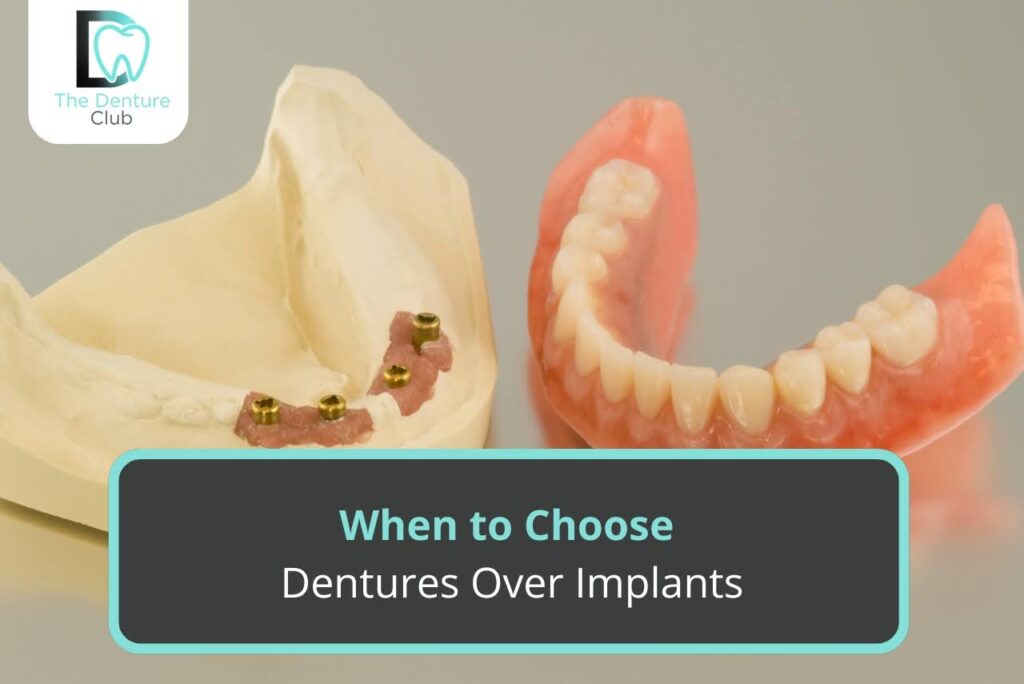
Dentures are removable appliances designed to replace several or all missing teeth. They rest on top of the gums and are supported by the surrounding soft tissue. They can be made from various materials, including acrylic and flexible resin, and are often the most affordable option for people who need multiple teeth replaced quickly.
According to MayoClinic.org, dentures can be made as full sets for complete tooth loss or as partials when some natural teeth remain. Since they don’t require surgery, they’re a good choice for people with certain medical conditions, those on blood thinners, or anyone looking for a quick, non-invasive solution.
Dental implants, by contrast, are permanent fixtures surgically placed into the jawbone, acting as artificial roots that hold replacement teeth. These titanium posts fuse with the bone, creating a stable foundation for crowns, bridges, or dentures. Implants are considered the gold standard for tooth replacement because of their stability and their ability to prevent jawbone deterioration. As explained by ClevelandClinic.org, implants require oral surgery and a healing period, but they deliver a tooth replacement that looks, feels, and functions like a natural tooth.
When Dentures Make More Sense
If you’ve lost several teeth at once due to injury, gum disease, or severe decay dentures can restore your ability to eat, speak, and smile almost immediately. This is especially important for patients who want to avoid a prolonged period without teeth. Medicaid often covers basic denture options, making them a practical choice for those who need an affordable and fast solution.
As outlined by Medicaid.gov, state Medicaid programs may cover full or partial dentures, depending on eligibility and where you live. This coverage is a lifeline for patients who might otherwise postpone treatment due to cost.
Dentures are also ideal for those who can’t undergo oral surgery for health reasons. Patients with uncontrolled diabetes, heart conditions, compromised immune systems, or those taking medications that affect bone healing may not be good candidates for dental implants. In these cases, dentures allow for safe tooth replacement without surgical risks. At The Denture Club, we carefully review each patient’s medical and dental history before recommending a treatment plan, ensuring that the choice supports their overall health jdnot just their appearance.
When Implants Are Worth the Investment
For patients in good overall health who want a long-term, natural-feeling solution, dental implants can be life-changing. The main advantage of implants is that they integrate with the jawbone, helping to maintain bone density and prevent the facial sagging that can occur with tooth loss. Without tooth roots, the bone can begin to shrink, altering your facial shape and making it harder to wear dentures comfortably. According to NIDCR, bone loss after tooth extraction can begin within months, making early intervention with implants especially beneficial.
Implants also reduce the need for adjustments, adhesives, or periodic relining that dentures require. While the upfront cost is higher, implants can last decades with proper care, making them more cost-effective in the long run. At The Denture Club, we specialize in affordable dental implants and denture implants, helping patients weigh whether the long-term benefits and stability of implants outweigh the initial expense.
Sedation Dentistry for Tooth Replacement
Many patients feel anxious about tooth extractions, implant placement, or multiple procedures in a single visit. Sedation dentistry can make the process far more comfortable and stress-free. Sedation options include oral sedation dentistry, twilight sedation, IV sedation dentistry, and moderate sedation. These approaches help patients relax while still allowing them to respond to instructions during treatment. According to ADA.org, sedation can make longer dental procedures, such as implant placement or multiple extractions, easier for patients to tolerate.
Oral sedation is often used for those with mild to moderate anxiety, offering a deep sense of relaxation while remaining conscious. IV sedation wisdom teeth removal and implant placement allow for a deeper level of comfort, often described as conscious sedation. Twilight sedation falls between the two, helping patients feel like time passes quickly without full unconsciousness. At The Denture Club, dental sedation options are customized based on your anxiety level, medical history, and procedure type.
Medicaid and Sedation Dentistry Coverage
A common concern among Medicaid patients is whether sedation is covered. The answer depends on the state and the type of procedure. In many cases, Medicaid covers sedation for children, people with special needs, and patients requiring complex dental work that cannot be safely completed without it. According to CMS.gov, pediatric sedation dentistry is more commonly covered, while adult sedation coverage is more limited. In situations where sedation dentistry Medicaid coverage is not available, our team helps patients explore low-cost or in-house financing options.
Combining Dentures and Implants
Some patients want the stability of implants but the affordability of dentures. For them, denture implants also called implant-supported dentures offer the best of both worlds. Instead of placing an implant for every missing tooth, a dentist places a few strategically positioned implants to anchor a removable denture. This prevents slipping, improves chewing, and allows for a more natural bite. According to AAOMS.org, implant-supported dentures can improve speech clarity and overall comfort compared to traditional dentures.
The Denture Club provides both full and partial implant-supported dentures, tailoring each plan to the patient’s bone health, aesthetic goals, and budget. While Medicaid usually covers traditional dentures, implant support often requires partial out-of-pocket costs, but the added stability can be worth the investment.
Recovery and Aftercare
Recovery timelines differ between dentures and implants. Denture wearers may need a short adjustment period as their gums and mouth adapt to the new appliance. This can involve follow-up visits for relining or adjustments to ensure comfort and prevent sore spots. Implant patients go through a longer healing process as the jawbone fuses with the implant posts—a process called osseointegration which can take several months. As Healthline notes, following aftercare instructions such as avoiding smoking, eating soft foods, and maintaining good oral hygiene can significantly improve healing.
The Denture Club provides written and verbal aftercare instructions for both dentures and implants, along with scheduled follow-ups to monitor fit, comfort, and function.
Oral Health Maintenance for Long-Term Success
Regardless of which option you choose, maintaining oral health is key. For denture wearers, this means daily cleaning of the dentures and gums, along with regular dental checkups to assess fit and oral tissue health. For implant patients, it’s critical to brush and floss daily to prevent peri-implantitis, a gum infection that can cause implant failure. According to CDC.gov, consistent oral hygiene and routine dental care help ensure both natural teeth and restorations last as long as possible.
At The Denture Club, we pair tooth replacement with preventive care strategies so patients can protect their investment and keep their smile healthy for years.
Special Considerations for Younger Patients
Although dentures and implants are more common in older adults, younger patients can also lose teeth due to accidents, sports injuries, or congenital conditions. For those under 18, dental implants may need to be delayed until the jawbone is fully developed, which can take until the late teens or early twenties. Temporary options, such as partial dentures or removable bridges, can restore appearance and function in the meantime. NIH.gov highlights the psychological and social importance of timely tooth replacement for younger patients, emphasizing how it can affect self-esteem and school or work interactions.
The Denture Club offers solutions for both temporary and permanent replacements, along with pediatric sedation dentistry when necessary to make treatment comfortable for younger patients.
Choosing the Right Option for You
The choice between dentures and implants comes down to your unique situation—health, budget, lifestyle, and long-term goals. Some patients start with dentures and later transition to implants when their finances or bone health improve. Others opt for implants immediately to avoid future adjustments. As WebMD explains, both dentures and implants can restore confidence and oral function, but the right choice is the one that best fits your needs.
At The Denture Club, we’re more than just providers—we’re partners in your smile journey. From emergency tooth extractions to planned dental implant surgery, we guide you step by step, ensuring that every decision supports your comfort, health, and budget.
Frequently Asked Questions
Are dentures more affordable than implants?
Yes. Dentures typically cost less upfront than implants, making them a more budget-friendly option for many patients.
Can dentures be covered by Medicaid?
In many states, Medicaid covers basic dentures, especially when medically necessary. Coverage details vary by location.
Are dentures faster to get than implants?
Yes. Dentures can often be made and fitted in a few weeks, while implants require surgery and several months of healing.
Will dentures work if I have bone loss?
Yes. Unlike implants, dentures don’t require as much bone support, making them a good choice for people with significant bone loss.
Can I switch from dentures to implants later?
In most cases, yes, though you may need bone grafting first if you’ve had significant bone loss.