Why Wisdom Teeth Removal Can Be Stressful
Wisdom teeth removal is one of the most common dental surgeries in the United States, but it’s also one of the most feared. The idea of sitting in a dental chair while a tooth is pulled can trigger anxiety for anyone, especially younger patients or those who have had a painful dental experience before.
This is where IV sedation for wisdom teeth offers a game-changing solution, making the process safe, comfortable, and free from unnecessary stress. According to the American Association of Oral and Maxillofacial Surgeons, IV sedation is routinely used for wisdom tooth extractions and is considered both safe and effective when administered by trained professionals.
At The Denture Club, we use this method to help patients, especially Medicaid-eligible ones feel at ease during complex oral surgeries.
How IV Sedation Dentistry Works for Wisdom Teeth
While sedation dentistry has been around for decades, the advances in IV sedation dentistry mean patients can now undergo wisdom tooth removal with little to no memory of the procedure.
Unlike local anesthesia, which only numbs the surgical site, IV sedation works on the entire body to create a deeply relaxed, twilight sedation state. This is especially beneficial for impacted wisdom teeth, which may require more time and precision to remove. The Mayo Clinic notes that sedation can also reduce the body’s stress response during surgery, which may help with healing afterward.
IV Sedation vs. General Anesthesia
Many patients confuse IV sedation with general anesthesia, but they are not the same. IV sedation for wisdom teeth, sometimes referred to as moderate sedation or conscious sedation, allows you to breathe on your own and respond to gentle instructions, but you won’t feel pain or remember much of the procedure. The Cleveland Clinic explains that this is why IV sedation is preferred for dental procedures; it offers strong comfort without the risks of full general anesthesia. The Denture Club uses this approach for patients of all ages, including teens having their first wisdom tooth removal.
Medicaid Coverage for Sedation Dentistry
For Medicaid-eligible patients, knowing whether sedation dentistry Medicaid coverage is available is crucial. Coverage can vary by state, and some Medicaid plans may fully cover sedation for medically necessary extractions.
According to Medicaid.gov, dental coverage is mandatory for children under Medicaid but optional for adults, meaning availability depends on your state’s program. The Denture Club’s team can help you confirm your benefits before scheduling your procedure, so there are no surprises.
Your Safety Evaluation Before Sedation
The first step in preparing for IV sedation wisdom teeth removal is an evaluation. Your dentist or oral surgeon will review your medical history, medications, and any allergies to ensure IV sedation is safe for you.
CMS.gov notes that providers must meet strict safety guidelines when offering sedation, including monitoring your heart rate, oxygen levels, and blood pressure during the procedure. At The Denture Club, we follow these safety protocols meticulously to ensure each patient’s comfort and protection.
Who Qualifies for IV Sedation Dentistry
Not everyone is a candidate for IV sedation, but most healthy teens and adults can receive it. Patients with certain heart, lung, or neurological conditions may require an adjusted approach, sometimes using oral sedation dentistry or another form of dental sedation instead.
The National Institute of Dental and Craniofacial Research emphasizes the importance of choosing the right sedation type for your health needs, and our team can walk you through the safest options.
What to Expect During Twilight Sedation
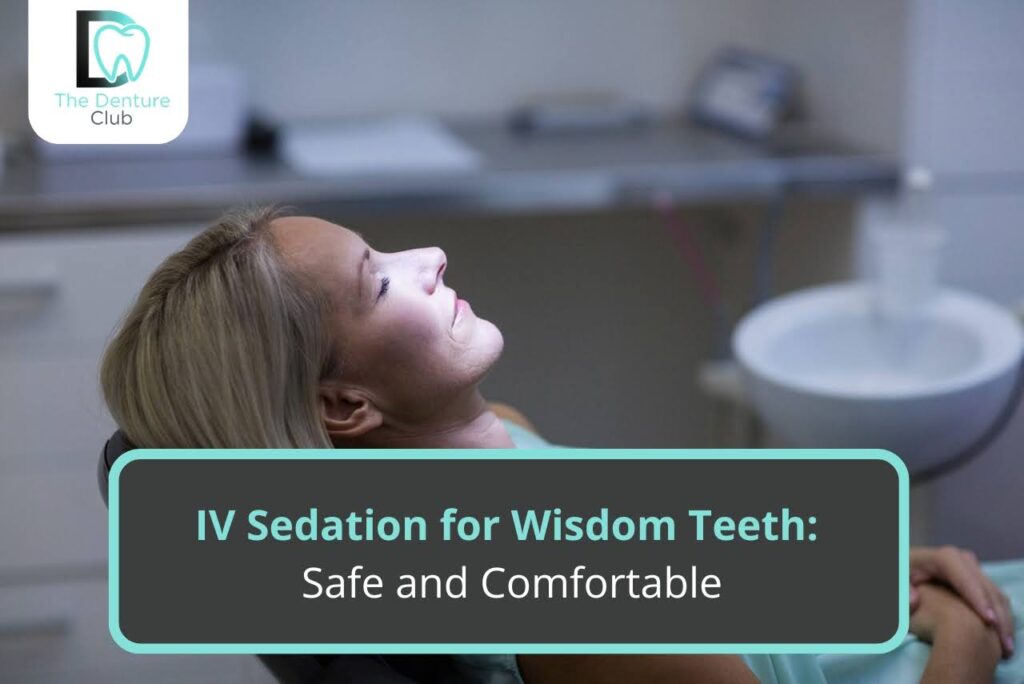
During the procedure itself, twilight sedation allows you to remain in a dream-like state. You may hear voices or feel vague sensations, but they will not cause distress. This level of sedation is often called moderate sedation, and it’s highly effective for patients who experience dental anxiety.
The Centers for Disease Control and Prevention reports that fear is a major barrier to dental care for many Americans, and sedation dentistry can help overcome that obstacle so you don’t delay necessary treatment.
Combining Sedation Methods for Comfort
For those with severe anxiety or special needs, oral sedation dentistry or IV sedation dentistry can be combined with local anesthesia to provide a completely pain-free experience.
WebMD explains that oral sedation is taken by pill before the procedure, while IV sedation is delivered through a vein, allowing for faster onset and better control. This makes IV sedation dentistry especially useful for complicated wisdom tooth extractions.
Pediatric Sedation Dentistry for Wisdom Teeth
If you’re a parent considering pediatric sedation dentistry for your teen’s wisdom teeth, rest assured that it’s a safe and well-established practice. The American Academy of Pediatric Dentistry provides clear guidelines for sedation in children, emphasizing the importance of trained staff, proper monitoring, and age-appropriate sedation doses. The Denture Club follows these recommendations closely to ensure every patient, regardless of age, is in safe hands.
Recovery After IV Sedation Wisdom Teeth Removal
The recovery process after IV sedation wisdom teeth extraction is usually smooth, but you’ll need someone to drive you home and stay with you for a few hours. Your care team will provide specific aftercare instructions, including what to eat, how to manage swelling, and when to take pain medication.
According to Healthline, following your dentist’s instructions carefully can significantly reduce the risk of complications such as dry socket or infection.
Considering Affordable Dental Implants After Extraction
For some patients, wisdom tooth extraction is just one step in a larger dental plan. If you are missing teeth or need replacements after extractions, affordable dental implants or denture implants may be an option. ADA.org notes that implants can provide a long-term, stable solution for missing teeth and help preserve jawbone health. The Denture Club offers both affordable dental implants and cheap dental implants options for qualifying patients, ensuring that cost isn’t a barrier to restoring your smile.
Why You Shouldn’t Delay Tooth Replacement
Even if you’re not ready for implants immediately after wisdom tooth removal, keeping the option open is wise. NIH.gov research shows that replacing missing teeth early can help maintain proper bite alignment and prevent further oral health issues.
Whether you choose denture implants or another restoration, The Denture Club can guide you through timing, financing, and Medicaid coverage options.
Choosing the Right Sedation Option for You
It’s important to remember that not all dental sedation methods are the same. IV sedation dentistry offers a level of control and responsiveness that oral sedation cannot match, but oral sedation dentistry remains a good choice for shorter or less invasive procedures.
HRSA.gov provides a searchable database to help patients find providers offering sedation dentistry in their area, but The Denture Club is proud to serve as a trusted local resource for patients needing both urgent and planned oral surgeries.
Safety and Monitoring with Twilight Sedation
Patients often ask about the safety of twilight sedation compared to other types of sedation. According to AAOMS.org, twilight sedation is extremely safe in healthy individuals when administered by trained professionals with proper monitoring equipment.
The Denture Club’s team is fully certified in sedation dentistry and ensures every patient’s vitals are closely tracked throughout the procedure.
Affording IV Sedation Wisdom Teeth Removal
If you’re concerned about cost, know that The Denture Club works with Medicaid and offers flexible payment plans. Medicaid.gov confirms that some states provide coverage for sedation services if they are considered medically necessary, especially for oral surgeries like wisdom tooth removal. Our staff can help you navigate the paperwork so you can focus on your health, not the financial stress.
Why Many Patients Choose Sedation Dentistry Again
The choice between oral sedation, moderate sedation, and IV sedation depends on your anxiety level, the complexity of your case, and your medical history. MayoClinic.org highlights that patients who undergo sedation dentistry typically report a far better overall experience and reduced fear of future dental work. That’s why many patients return to The Denture Club for ongoing care after their first sedation procedure.
Conclusion
As you plan your wisdom tooth extraction, it’s essential to select a provider who understands your needs and offers the right type of sedation. CDC.gov stresses that avoiding dental care due to fear can lead to severe oral health problems, including infections that spread beyond the mouth. By choosing IV sedation dentistry for your wisdom teeth, you can address these issues before they escalate.
Frequently Asked Questions FAQs
Is IV sedation safe for wisdom teeth removal?
Yes. When performed by trained dental professionals, IV sedation is considered very safe. Vital signs are monitored throughout the procedure to ensure patient safety and comfort.
How long does IV sedation last for wisdom teeth surgery?
The effects typically last only for the duration of the surgery, wearing off within minutes afterward. However, mild drowsiness can linger for a few hours, so a ride home is necessary.
Does Medicaid cover IV sedation for wisdom tooth removal?
Coverage depends on the state. In many areas, Medicaid covers sedation if the procedure is medically necessary. Always check your state’s benefits before scheduling.
What’s the difference between IV sedation and oral sedation?
IV sedation takes effect faster, can be adjusted during treatment, and generally provides a deeper level of relaxation compared to oral sedation, which is taken as a pill before the visit.
Will I remember anything after IV sedation?
Most patients have little to no memory of the procedure, making IV sedation a popular choice for those with dental anxiety or complex extractions.