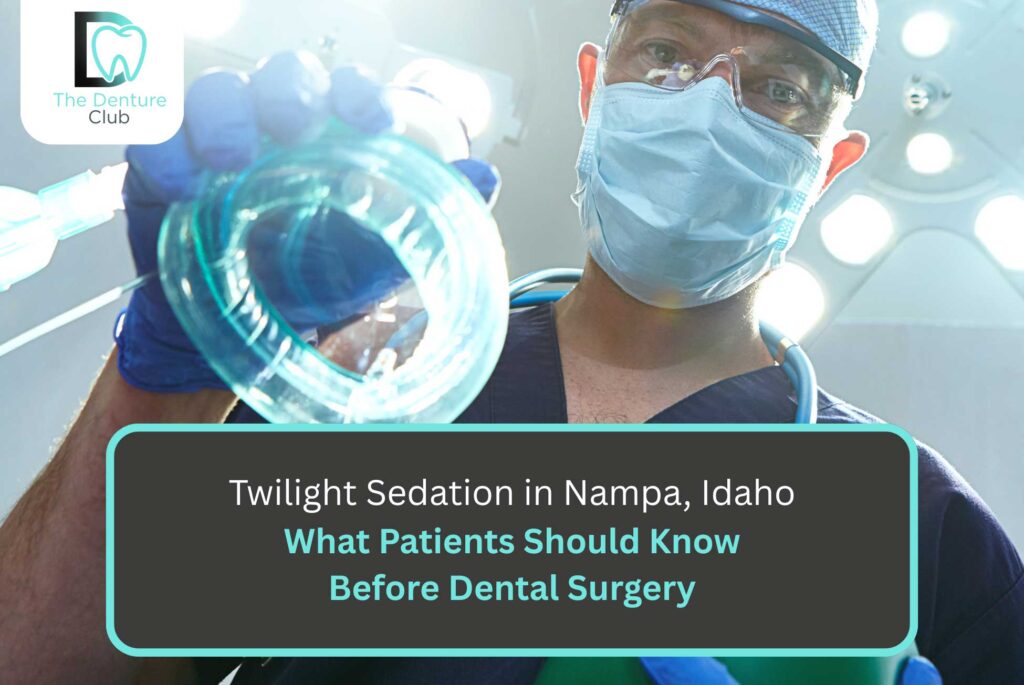
Twilight sedation in Nampa, Idaho, has become a trusted solution for patients seeking a calm, stress-free experience during dental surgery. Imagine sitting in the dental chair, feeling completely relaxed while your dental team works efficiently, all without the fear or anxiety that often accompanies procedures like wisdom teeth removal or complex oral surgery. This technique allows patients to remain conscious but deeply relaxed, making treatment smoother for both patients and providers.
A few years ago, a patient named Linda came to our clinic feeling overwhelmed about her upcoming wisdom teeth extraction. Past experiences with local dentists had left her anxious and even fearful of visiting the office. Her worry was so high that she nearly postponed her procedure indefinitely. After learning about twilight sedation in Nampa, Idaho, she agreed to try it. The results were life-changing. She reported feeling calm, comfortable, and unaware of the stress that had previously haunted her dental visits, completing the surgery with minimal recollection and zero trauma.
In this guide, you will learn everything you need to know about twilight sedation in Nampa, Idaho. What it is, how it works, preparation tips, what to expect during surgery, and recovery guidance, so you can approach your dental procedure with confidence.
What is Twilight Sedation and How It Works
Twilight sedation, also called conscious sedation, is a safe and controlled method to relax patients during dental procedures. Unlike general anesthesia, patients remain awake but feel very drowsy and often have little memory of the procedure.
- Administered via an IV by a trained sedation dentist or anesthesiologist
- Works by calming the central nervous system, reducing anxiety and fear
- Allows the dental team to perform procedures efficiently without patient stress
- Patients retain basic reflexes, meaning they can respond to verbal commands
Key Takeaway: Twilight sedation is ideal for patients who experience dental anxiety, require multiple procedures in one visit, or have a low pain tolerance.
Preparing for Dental Surgery: What Patients Should Know
Preparation before dental surgery is crucial for safety, comfort, and a smooth recovery. It involves understanding the procedure, reviewing your medical history, following instructions for diet and medication, and arranging logistics like transportation. Taking the time to plan ensures your experience is efficient and minimizes stress.
1. Understanding the Procedure
Before undergoing any dental surgery, patients should have a clear grasp of the procedure they are about to receive. This includes knowing the type of surgery, whether it is a tooth extraction, wisdom teeth removal, implant placement, or oral surgery, and the steps involved. Ask your dentist to explain each stage, including how anesthesia or sedation will be administered, how long the procedure will last, and what recovery will look like. Understanding the procedure reduces fear, helps you set realistic expectations, and allows you to ask informed questions about your specific needs.
Pro Insight: Patients who understand the procedure often experience less anxiety and report smoother recoveries because they are mentally prepared for what will happen.
2. Medical History and Health Assessment
Your overall health significantly affects how your body will handle dental surgery. Dentists or oral surgeons will request a detailed medical history, including chronic illnesses like heart disease, diabetes, or hypertension, as well as any history of allergic reactions to medications or anesthesia.
Medications must be reviewed carefully. Blood thinners, steroids, diabetes medications, or herbal supplements can impact bleeding, healing, or interactions with anesthesia. Patients should disclose every medication or supplement they are taking to avoid complications. Pregnant patients or those with immunocompromised conditions should notify the dentist immediately to adjust the procedure or sedation plan.
Tip: Bring a written list of your medications and dosages to your consultation to ensure your provider has accurate information.
3. Pre-Surgery Instructions: Fasting and Hydration
If you will be receiving sedation, such as twilight sedation in Nampa, Idaho, fasting is mandatory to reduce the risk of nausea or aspiration. Typically, patients should avoid food for 6–8 hours before the procedure. Water is usually allowed up to two hours before surgery unless otherwise instructed.
Patients should also avoid alcohol, caffeine, and any over-the-counter medications not approved by the dentist, as these can interfere with anesthesia, sedation, or recovery.
Implementation Tip: Set reminders for fasting and hydration so you do not accidentally eat or drink before surgery, which could result in rescheduling.
4. Arranging Transportation and Support
Because sedation affects alertness, patients cannot drive themselves home after surgery. It is essential to arrange transportation with a responsible adult who can assist you during the initial recovery period. Additionally, having someone stay with you for the first few hours at home is advisable. This ensures you can rest safely, monitor for any unusual symptoms, and follow post-operative instructions.
Pro Insight: Many patients underestimate the importance of support after surgery. Planning reduces stress and ensures patient safety.
5. Managing Anxiety and Mental Preparation
Dental anxiety is very common, and understanding options for relaxation and sedation can dramatically improve the experience. Techniques include:
- Twilight Sedation: A mild sedation method that keeps patients drowsy but conscious, reducing stress without the need for full general anesthesia.
- Nitrous Oxide (Laughing Gas): Provides relaxation and reduces anxiety for minor procedures.
- Oral Sedatives: Pills taken before surgery for calmness.
- Breathing and Relaxation Techniques: Deep breathing exercises, visualization, or listening to music can lower stress levels.
For many anxious patients, twilight sedation in Nampa, Idaho, is a game-changer, providing comfort, minimal memory of the procedure, and a calm recovery experience.
6. Planning Recovery and Home Preparation
Preparing your home for recovery is just as important as preparing your body. Stock up on soft foods, pain relievers (as approved by your dentist), ice packs, and any prescribed medications. Arrange a comfortable space where you can rest after the procedure without interruption.
Patients should also plan time off work or school to allow for proper recovery, and avoid scheduling strenuous activities immediately following surgery.
Tip: Lay out pillows, water, and entertainment (books, tablet, or music) near your resting area to reduce movement and stress while you recover.
7. Questions to Ask Your Dentist
Before surgery, patients should come prepared with questions to ensure clarity and peace of mind. Examples include:
- How long will the procedure last?
- What type of anesthesia or sedation will be used?
- Are there any dietary restrictions before or after surgery?
- What is the expected recovery timeline?
- How should I manage pain and swelling post-surgery?
Pro Insight: Patients who ask detailed questions are more confident, follow instructions accurately, and experience smoother recoveries.
After Your Twilight Sedation: Recovery Tips
Recovery is typically quick but requires attention to safety and comfort:
- Immediate Post-Procedure: Rest in the dental office until the sedative wears off enough to safely leave
- Transportation: Only leave with a responsible adult
- Eating and Drinking: Start with light foods and avoid alcohol or heavy meals for the rest of the day
- Activity Restrictions: Avoid driving, operating machinery, or making important decisions for at least 24 hours
- Monitoring Symptoms: Watch for unusual dizziness, prolonged drowsiness, or swelling; contact your dentist if these occur
Key Takeaway: Following these recovery guidelines ensures a safe and smooth post-procedure experience.
Conclusion
Twilight sedation in Nampa, Idaho, provides a safe, comfortable, and highly effective method for reducing anxiety and ensuring a smooth dental experience. By understanding the preparation, procedure, and recovery steps, patients can confidently approach dental surgery without fear. Following safety precautions, choosing an experienced provider, and adhering to post-procedure guidance guarantee the best outcomes for both comfort and oral health.
Whether you need wisdom teeth removal, restorative dental work, or more extensive oral surgery, twilight sedation can transform your experience. Patients can enjoy reduced anxiety, minimal pain, and fast recovery, making dental care accessible and stress-free.
Start your journey to calm, confident dental care with THE DENTURE CLUB. Schedule your consultation and experience expert twilight sedation in Nampa, Idaho. Your comfort and safety are our priority. Book your appointment now!
FAQs
Is twilight sedation safe for patients with chronic conditions?
Yes, it is generally safe, but your dentist will review your medical history and adjust the sedation plan accordingly.
How long does it take for the effects of twilight sedation to wear off?
Most patients feel alert within 1–2 hours, though mild drowsiness may persist for the rest of the day.
Can children or elderly patients use twilight sedation?
Yes, with proper evaluation and dosage adjustments, twilight sedation can be safely administered to both children and seniors.
Does twilight sedation affect memory of the procedure?
Patients often have limited memory of the procedure, which reduces anxiety but still allows conscious responsiveness.
Are there dietary restrictions after twilight sedation?
Soft foods and hydration are recommended initially, while avoiding alcohol or strenuous activity for the rest of the day.