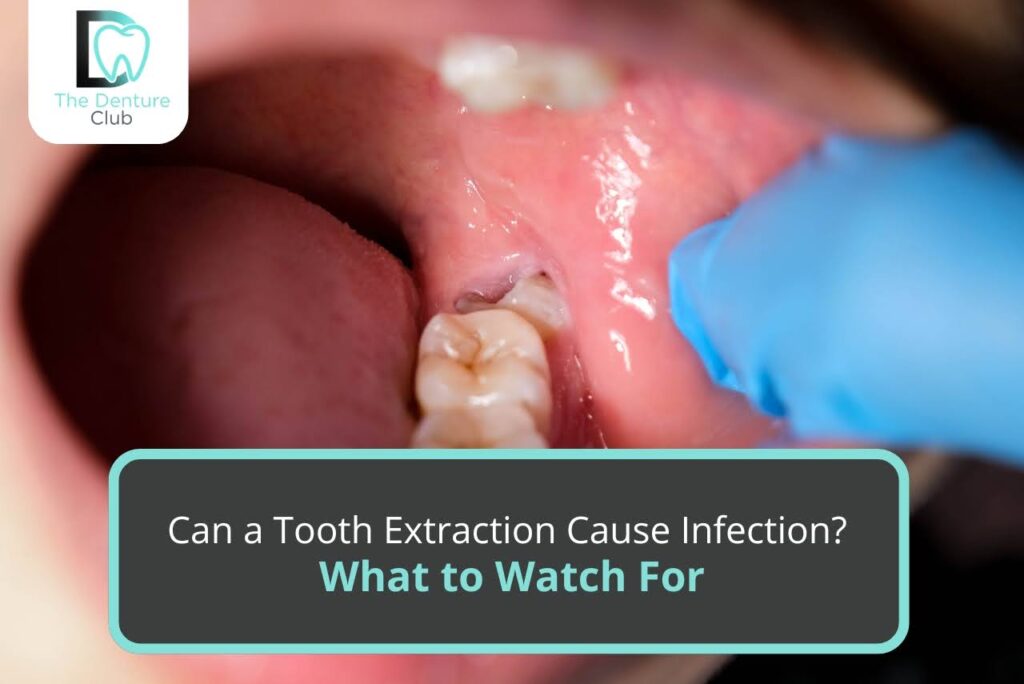
Tooth extractions are a routine dental procedure, but for patients, especially those experiencing a sudden dental emergency the fear of infection afterward is real. While most people heal without problems, there’s always a possibility that bacteria could enter the surgical site and cause complications. Knowing what triggers these infections and recognizing symptoms early can make all the difference. At The Denture Club, we treat many Medicaid-eligible patients for urgent extractions, including infected wisdom teeth, and we focus on providing safe, affordable, and timely care so recovery goes smoothly.
For many people, a tooth extraction is their first experience with oral surgery, so it’s natural to be concerned. The best way to approach this situation is to understand both the benefits and the risks.
According to the Mayo Clinic, extractions are performed to eliminate pain, stop infection from spreading, or prepare the mouth for dentures or implants. The procedure itself is safe when performed by a trained dentist or oral surgeon, but the healing period afterward requires careful attention to prevent infection.
Understanding the Basics of Tooth Extractions
A tooth extraction involves loosening and removing a tooth from its socket in the jawbone. This can be done for many reasons, including severe decay, gum disease, crowding, or impacted wisdom teeth. The Mayo Clinic explains that the complexity of the procedure depends on whether the tooth is visible or impacted. Simple extractions are quicker, while surgical extractions may involve cutting gum tissue or bone. In either case, your dentist will provide specific aftercare instructions to help your body heal.
The initial healing phase usually lasts about one to two weeks, though complete bone healing can take months. The CDC notes that the body’s immune system works overtime during this period to protect the wound from harmful bacteria. This is why keeping the area clean, eating the right foods, and avoiding tobacco use are critical for a smooth recovery. At The Denture Club, our dentists walk patients through every step so they know exactly what to expect after their extraction.
Why Infections Happen After an Extraction
Post-extraction infections occur when bacteria enter the wound before it has had time to seal and heal properly. This can happen if food particles or debris get trapped in the socket, if the blood clot protecting the bone is dislodged, or if the patient has an underlying health condition that slows healing. The CDC points out that the mouth’s warm, moist environment is ideal for bacterial growth, which is why it’s important to limit the time harmful bacteria spend in the socket.
Poor oral hygiene after the procedure is another factor. The AAOMS warns that skipping post-op cleaning routines can increase infection risk. That’s why The Denture Club provides patients with written aftercare instructions and, when necessary, supplies like antimicrobial mouth rinses to make compliance easier.
Wisdom Teeth and Higher Infection Risk
Wisdom teeth are more prone to infection because of their location and the difficulty of cleaning that area thoroughly. Partially erupted wisdom teeth can trap food and bacteria under the gum flap, leading to pericoronitis, a painful gum infection. The AAOMS notes that removing these teeth often eliminates a recurring source of infection. For patients already experiencing swelling or pus before surgery, dentists may recommend antibiotics to stabilize the situation before extraction.
Recovery from wisdom tooth extraction also tends to be longer, which increases the window of time when infection can set in. The Mayo Clinic explains that because these teeth are often impacted, the surgery may involve more tissue manipulation, resulting in increased swelling and a higher risk of post-op complications. At The Denture Club, we pay special attention to these cases by scheduling closer follow-ups to monitor healing.
Medicaid Coverage for Tooth Extractions
Cost is a major concern for many patients, especially when a tooth needs to be pulled immediately. The Medicaid Dental Coverage guidelines confirm that most states cover emergency or medically necessary extractions for eligible adults, and all states cover them for children under 21. This ensures that patients don’t have to delay urgent care due to financial stress.
The Denture Club works directly with Medicaid to confirm benefits before treatment, often handling the paperwork so patients can focus on their recovery. This is especially important for those dealing with infections, as waiting too long can lead to more serious and more expensive health complications.
Dry Socket vs. Infection
Dry socket occurs when the protective blood clot in the socket dissolves or becomes dislodged, exposing bone and nerves. The ADA states that while dry socket is not technically an infection, it can be extremely painful and may lead to infection if not treated promptly. Dentists treat it by cleaning the area and applying a medicated dressing.
An infection, on the other hand, involves bacterial overgrowth in the socket and often presents with pus, swelling, and fever. The WebMD guide explains that infections require antibiotics and, in some cases, further cleaning of the site. The Denture Club treats both conditions but emphasizes prevention by reinforcing aftercare guidelines before patients leave the clinic.
How to Reduce Infection Risk
The NIH advises that the best way to prevent post-extraction infections is to follow your dentist’s instructions exactly. This includes proper cleaning, avoiding irritants like tobacco, and taking prescribed medications as directed.
Practical infection-prevention tips include:
- Rinsing gently with warm saltwater starting the day after surgery
- Avoiding hot, spicy, or hard foods for several days
- Resting and avoiding strenuous activity for at least 48 hours
- Sleeping with your head slightly elevated to reduce swelling
The Healthline guide adds that avoiding alcohol-based mouthwashes and carbonated drinks during recovery can also reduce irritation and support healing.
Recognizing the Warning Signs of Infection
Post-extraction pain should improve daily; if it gets worse, something’s wrong. The WebMD list of symptoms includes:
- Increasing swelling or redness
- Persistent or worsening pain
- Fever or chills
- Pus or a foul taste in the mouth
If these signs appear, The Denture Club urges patients to call immediately rather than wait for their next appointment. Early treatment can prevent more serious complications.
Some infections are less obvious at first. The NIDCR warns that even mild swelling or tenderness should be monitored closely, as oral bacteria can spread to other parts of the body if left untreated.
Higher Risks for Certain Patients
People with diabetes, heart disease, or immune disorders face a higher infection risk after oral surgery. The Cleveland Clinic suggests these patients may need preventive antibiotics and closer follow-up visits. At The Denture Club, we develop tailored care plans for high-risk patients, often including additional check-ins during the healing period.
Children and teens also need extra oversight. The AAPD emphasizes that younger patients may not fully understand aftercare instructions, so parental supervision is essential. Our dentists work with families to ensure kids heal safely and avoid preventable infections.
Finding Care Quickly if You Suspect an Infection
When infection symptoms appear, time matters. The HRSA provides a directory of community health centers that offer affordable or Medicaid-covered dental care. At The Denture Club, we reserve same-day slots for emergencies so infections can be treated promptly.
The NIDCR cautions that untreated infections can spread beyond the mouth, potentially causing serious systemic health problems. This makes quick access to care essential, not optional.
Follow-Up Visits Are Key to Healing
Regular check-ups after an extraction allow dentists to detect problems early. The CMS confirms that Medicaid-covered dental services often include follow-up appointments as part of standard care. At The Denture Club, we automatically schedule these visits before patients leave the clinic.
The AAOMS adds that follow-ups are especially important after wisdom tooth surgery because swelling and limited mouth opening can hide signs of infection in the back of the mouth.
What to Do if You Suspect an Infection
If you suspect infection:
- Call your dentist immediately.
- Follow their instructions carefully—this may include antibiotics, cleaning, or additional visits.
- Avoid self-treatment with unverified home remedies.
The Medicaid Dental Coverage database can help you verify whether follow-up care is covered. The Denture Club assists patients with this process to remove any financial barriers to treatment.
Long-Term Prevention
Preventing infections starts long before an extraction is needed. The CDC stresses that daily brushing, flossing, and regular checkups reduce the likelihood of emergency dental situations.
The Denture Club offers preventive care for Medicaid patients, including cleanings, exams, and education, so they can avoid extractions unless absolutely necessary.
Frequently Asked Questions
Can a tooth extraction infection heal on its own?
No. According to WebMD, infections require professional treatment with antibiotics and sometimes additional cleaning.
How soon after an extraction can infection appear?
The most infections develop within 3–7 days after surgery, but symptoms can appear earlier.
Will Medicaid pay for antibiotics after a tooth extraction?
Yes, in most states Medicaid covers antibiotics if they are medically necessary to treat an infection, as outlined on Medicaid.gov.
What’s the difference between dry socket and infection?
Dry socket is the loss of the protective blood clot, while infection involves bacterial growth in the socket.
Can The Denture Club treat extraction infections same-day?
Yes, we reserve emergency appointments daily and work with Medicaid patients to get treatment without delays.