You already know something is wrong. Maybe it is the way you chew on one side now. Maybe you stopped smiling in photos without realizing it. Missing teeth do not just sit there quietly; they pull at your confidence, change the way you eat, and slowly affect your overall health in ways most people never connect back to their mouth. And the frustrating part? A real, covered solution exists. Medicaid dentures are not some hidden government secret; they are an actual benefit that millions of eligible adults are simply not using. Not because they do not need them. But because the road to getting them feels confusing, intimidating, and honestly, not worth the headache. That stops today. This article cuts through every single barrier standing between you and a full smile and shows you exactly how to get past each one.
Understanding Coverage Limits and Benefits
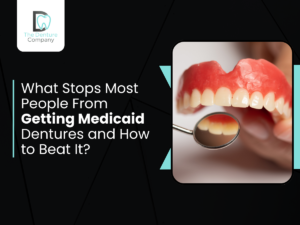
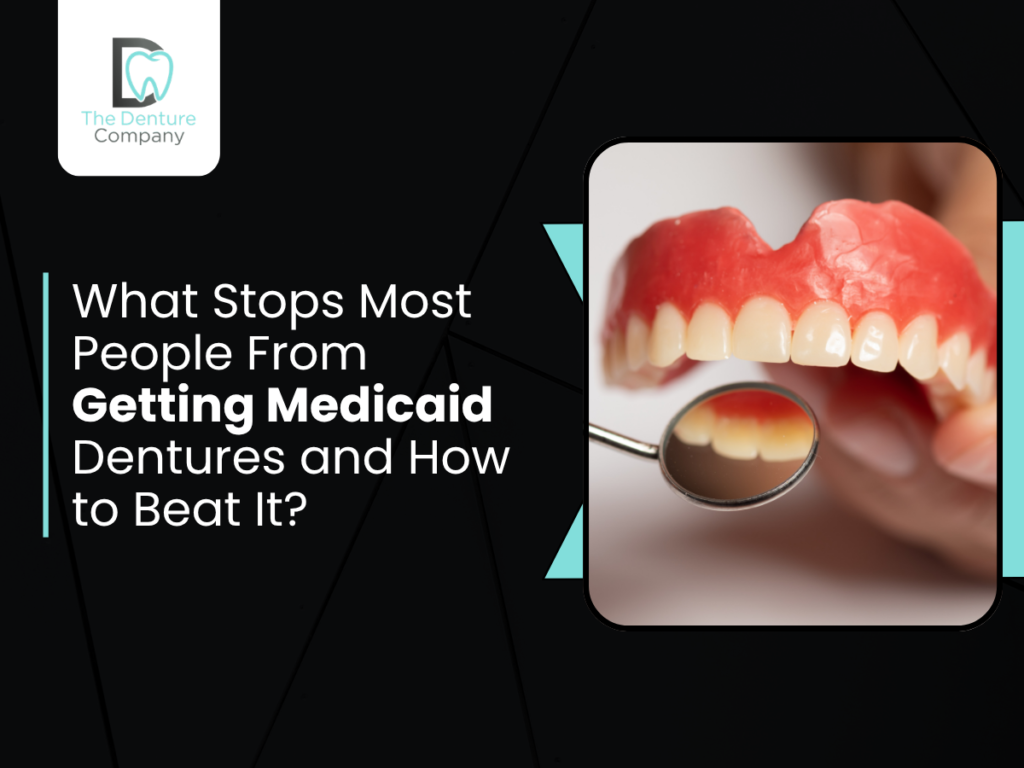
Nobody hands you a clear explanation of what the program covers when you sign up. You get a card and a phone number that puts you on hold for forty minutes. It is no surprise that most people assume Medicaid Dentures are either not available or not worth chasing. The reality is far more encouraging than that assumption. The program does cover dentures in the majority of states. This includes full sets, partial sets, and the extractions required before fitting. The catch is that each state runs its own dental rules. What is fully covered in one state may only be partially covered in another. When patients look for dentures with Medicaid, they often find that adult dental benefits are state-determined. This creates the patchwork of coverage that confuses many patients. The fix is not complicated. Call the state office, ask a direct question about coverage, and write down the answer. One phone call replaces months of assumption.
Psychological Barriers and Professional Support
Dental Anxiety Is a Real Clinical Obstacle
Dental anxiety is not just nerves. It is a documented condition that keeps a significant portion of the adult population away from care. General research suggests that adults with lower incomes are affected by untreated oral health conditions, and fear is a consistent reason treatment gets delayed. The anticipation of pain and the sounds of equipment all stack up into a wall that feels easier to avoid than to climb. Modern dental care is almost always far less uncomfortable than what people build up in their heads.
Shame Around Tooth Loss Affects Mental Health
There is a stigma that follows adults with missing teeth. People avoid smiling. They speak with a hand in front of their mouth. They turn down social invitations because eating in front of others feels embarrassing. That emotional weight becomes another reason to avoid the office because walking in feels like admitting defeat. Experienced dental teams have seen every situation imaginable. Judgment is not part of the job. Getting you comfortable and getting you results is the goal for anyone seeking Medicaid Dentures.
Breaking the Cycle With One Visit
The most important thing anyone stuck in this cycle can do is book a consultation. Not a full treatment plan and not a financial commitment. Just a conversation. Most clinics that regularly work with patients are set up to make that first visit low-pressure. Once the unknown is gone, the fear loses most of its grip.
Financial Myths and Qualifying Criteria
The most damaging myth around Medicaid Dentures is the belief that most people do not qualify. People constantly reject themselves. They assume their income is slightly too high or that dental coverage is only for children. These assumptions are rarely accurate. Many people are surprised to learn they can obtain dentures with Medicaid by simply verifying their current state guidelines rather than relying on hearsay.
- Eligibility for adults is based on income relative to the federal poverty level and household size.
- Certain chronic conditions, like diabetes or heart disease, can strengthen the case for medically necessary coverage.
- A single denial does not mean permanent ineligibility, as state rules change regularly.
- Many friendly offices will do a quick eligibility check at no cost before you ever sit in the chair.
- Speaking to a human being who can answer in plain language is better than using a confusing website.
Ruling yourself out without checking is one of the most expensive mistakes a person can make when affordable dental care is within reach.
Health Statistics and Long-Term Impact
Professional data indicate that complete tooth loss remains more common among older adults and those without regular access to care. But the impact goes well beyond the mouth. Missing teeth change the structure of the jaw over time and cause surrounding teeth to shift. This makes proper chewing difficult, which affects nutrition and digestion. For those with severe bone loss, traditional sets might be unstable. This leads them to ask about implant dentures as a permanent solution for oral function. Medicaid Dentures exist specifically because policymakers recognized that dental care is a health issue with real consequences when ignored.
Affordable options such as implant dentures or traditional dentures are a public health investment. When patients successfully secure dentures with Medicaid, they contribute to a community-wide improvement in wellness. Understanding this changes how people approach the process. It is about accessing a benefit to which they are entitled. Patients who receive Medicaid Dentures report a higher quality of life and better social interactions.
Application Documents and Clinic Support
Getting started on dental coverage does not require a law degree. What it does require is knowing what to bring and who to talk to before you walk into any office. Most applications for dental services require baseline documentation to prove you are eligible for Medicaid Dentures.
- Valid photo identification, such as a driver’s license or state ID.
- Proof of income, including recent pay stubs or a benefits letter if you receive other assistance.
- Proof of residency, such as a utility bill or lease agreement with your current address.
- Your existing card or enrollment number, if you are already in the system.
- Any relevant medical records if you are applying based on a health condition.
Clinics that work with patients regularly are often your best starting point. These offices deal with the paperwork and can tell you quickly whether you qualify. Getting dentures with Medicaid becomes a manageable process the moment you have someone in your corner who speaks the language.
Wrapping It All Together
The gap between requiring Medicaid dentures and successfully securing them is not paved with insurmountable obstacles. Instead, it is often constructed from a foundation of confusion, anxiety, and persistent myths that dissolve under professional scrutiny. Every barrier identified in this guide has a direct, practical resolution, none of which requires extraordinary effort. It simply begins with the willingness to initiate a conversation and take that first step toward restoration.
At The Denture Club in Nampa, Idaho, our practice is built on a philosophy that extends beyond clinical procedures. We view the removal of these systemic and personal barriers as a shared mission rather than a mere transaction. We believe that a functional, confident smile is not an unattainable luxury; it is a fundamental right.
Your smile belongs to you. It is time to reclaim it.
Contact The Denture Club today to navigate your Medicaid benefits and begin your journey toward a complete recovery.
Frequently Asked Questions (FAQs)
1. Do Medicaid dentures cover both full and partial sets?
Yes, most state Medicaid programs that include dental benefits cover both full and partial Medicaid dentures, depending on the patient’s specific dental condition.
2. Can I get implant dentures through Medicaid?
Affordable denture implants may be covered under Medicaid in certain states when a dentist documents them as medically necessary rather than cosmetic.
3. What if I was denied Medicaid dental coverage before?
A past denial does not close the door permanently since eligibility rules change, and you can reapply when your circumstances or your state’s coverage policies shift.
4. How long does the full process take from application to receiving dentures?
Most patients who qualify move from application approval to completed dentures within a few weeks to a couple of months, depending on the clinic’s schedule and treatment needs.
5. Do all dental clinics accept Medicaid for denture treatment?
No, only clinics enrolled as Medicaid providers can bill for covered services, which is why finding a participating clinic is one of the most important first steps.