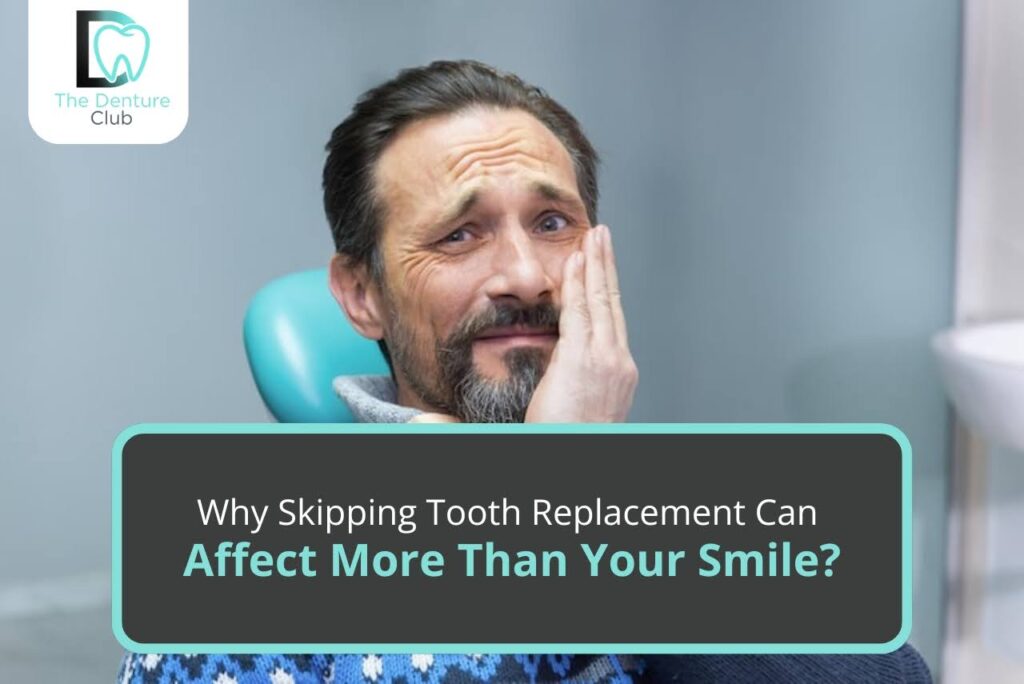
Tooth replacement is not just about looking good. Skipping it can affect more than your smile. Missing teeth can change the way your jaw works, make chewing difficult, and create problems with your speech. Over time, leaving gaps in your teeth can lead to jaw discomfort and misalignment, showing that the effects go far beyond appearance.
Ignoring tooth replacement can also impact your overall health. The strain on your jaw and surrounding teeth can cause pain, headaches, and other complications. These issues happen because missing teeth alter how your mouth functions and how pressure is distributed when eating or speaking. Understanding why these changes occur and how they affect your daily life will help you see why timely tooth replacement is so important, and that’s what we will explore next.
Jaw Misalignment and Bite Disruption
When a tooth is missing, the surrounding teeth tend to shift into the empty space. This movement changes the natural alignment of your bite, which can lead to jaw discomfort and uneven pressure distribution. Over time, your jaw muscles may have to work harder to compensate for these changes, causing tension, fatigue, or even chronic pain. Chewing becomes inefficient, which not only affects digestion but also places stress on the remaining teeth, accelerating wear and increasing the risk of fractures or enamel damage. Tooth replacement is critical to maintain the natural positioning of teeth and proper jaw function, preventing these long-term complications.
Bone Loss and Facial Structure Changes
The jawbone requires stimulation from teeth to maintain its density. Missing teeth stop sending the necessary signals to the bone, which begins to shrink over time. This bone loss can alter the shape of your face, making your cheeks appear sunken and your lips less supported. Additionally, the deterioration weakens the foundation needed for future dental procedures, such as implants or bridges. Without timely tooth replacement, this structural change can lead to a visibly aged appearance and compromise oral health.
Bone loss also makes your remaining teeth more susceptible to loosening. When the support structure weakens, once stable teeth may become wobbly, creating a cascade effect that can result in additional tooth loss if left unaddressed.
Strain on Remaining Teeth
The absence of a tooth forces neighboring teeth to take on an extra load during chewing. This extra stress can cause them to wear down faster, crack, or become misaligned.
- Uneven chewing pressure can trigger discomfort in the jaw and face
- Adjacent teeth may tilt, rotate, or drift into the space
- Risk of cavities and gum disease increases due to harder-to-clean, misaligned teeth
Over time, this additional strain impacts your ability to eat normally and comfortably. Tooth replacement helps redistribute the pressure evenly across the mouth, protecting the integrity of your natural teeth and maintaining optimal oral function.
Speech Difficulties and Social Confidence
Missing teeth can change the way air flows through your mouth while speaking, causing difficulty in pronouncing certain words or sounds. This can affect communication clarity and may make individuals self-conscious about their speech.
Even a single missing tooth can influence the sound of your voice, and multiple gaps amplify this effect. Beyond communication, these changes often impact social confidence, as individuals may avoid smiling, speaking, or eating in public. Timely tooth replacement restores natural speech patterns and helps preserve self-esteem, proving that the effects extend far beyond appearance.
Nutritional and Digestive Consequences
A reduced ability to chew effectively can limit the types of foods you eat, often leading to a diet lower in fruits, vegetables, and protein. Inadequate chewing can also strain the digestive system, as larger food particles reach the stomach without proper breakdown, causing discomfort or bloating.
Skipping tooth replacement can therefore indirectly affect overall health by reducing nutrient intake and placing extra stress on the digestive tract. Tooth replacement restores chewing efficiency, making it easier to maintain a balanced diet and promote overall wellness.
Increased Risk of Chronic Pain and Headaches
Jaw misalignment, uneven bite pressure, and muscle strain can contribute to chronic pain and tension headaches.
- Constant strain on jaw muscles can cause soreness and fatigue
- TMJ (temporomandibular joint) disorders are more likely to develop
- Uneven pressure can radiate to the facial muscles, neck, and shoulders
This pain is not only uncomfortable but can also interfere with daily activities, concentration, and sleep. Replacing missing teeth helps distribute forces evenly across the mouth, reducing the risk of persistent discomfort and maintaining proper jaw mechanics.
Oral Hygiene Challenges and Gum Health
Gaps left by missing teeth create spaces where food particles and bacteria can accumulate more easily. This increases the risk of gum inflammation, infections, and periodontal disease. Misaligned teeth due to drifting make brushing and flossing less effective, which can further compromise oral health.
- Difficulty cleaning between shifted teeth
- Higher risk of plaque buildup and gum disease
- Potential for further tooth loss if infections spread
Tooth replacement closes these gaps, restores proper spacing, and allows for easier cleaning, protecting the gums and remaining teeth from avoidable damage.
Even beyond appearance, maintaining oral hygiene with proper tooth placement is essential for overall health, showing that the impact of missing teeth extends well beyond your smile.
Final Thoughts
Skipping tooth replacement affects far more than just your smile. From altering jaw alignment and increasing strain on surrounding teeth to causing bone loss, speech difficulties, nutritional challenges, and even chronic discomfort, the ripple effects touch nearly every aspect of daily life. Each missing tooth creates a chain reaction that impacts oral health, overall well-being, and personal confidence. Understanding these consequences highlights why addressing tooth loss promptly is essential. Replacing missing teeth not only restores function and appearance but also safeguards long-term health, comfort, and quality of life. By recognizing the deeper impact beyond aesthetics, it becomes clear that tooth replacement is a vital step toward maintaining your body, your health, and your daily comfort.
Don’t let missing teeth affect your health or confidence any longer. Schedule a consultation with The Denture Club today and take the first step toward restoring your smile, comfort, and overall well-being.
Act now to ensure your teeth and jaw stay healthy for years to come.
Frequently Asked Questions (FAQs)
- How soon should I replace a missing tooth?
Ideally, tooth replacement should happen as soon as possible after a tooth is lost to prevent jaw misalignment, bone loss, and strain on surrounding teeth. - Can missing teeth affect my speech?
Yes, gaps can change how air flows through your mouth, leading to difficulty pronouncing certain sounds or words. - What are my options for tooth replacement?
Options include dental implants, bridges, and dentures, each suited to different needs and jaw conditions. - Does tooth replacement improve chewing and digestion?
Absolutely. Replacing missing teeth restores chewing efficiency, making it easier to eat a balanced diet and support proper digestion. - Will tooth replacement prevent long-term jaw pain?
Yes, restoring missing teeth helps maintain jaw alignment and reduces strain on muscles, decreasing the risk of chronic discomfort or TMJ issues.