Dental emergencies can come out of nowhere and when it involves a wisdom tooth, waiting it out isn’t always an option. If you’re feeling intense pain, swelling in the back of your mouth, or struggling to eat or sleep, you may be dealing with an impacted or infected wisdom tooth. These cases can’t be ignored, especially if you rely on Medicaid or need a local, affordable provider who understands your situation. That’s where The Denture Club comes in offering compassionate, emergency wisdom tooth extractions with sedation dentistry Medicaid patients can actually afford.
Let’s walk you through how to know when it’s time to act fast—and how you can get help without blowing your budget.
What Are Wisdom Teeth and Why Do They Cause Problems?
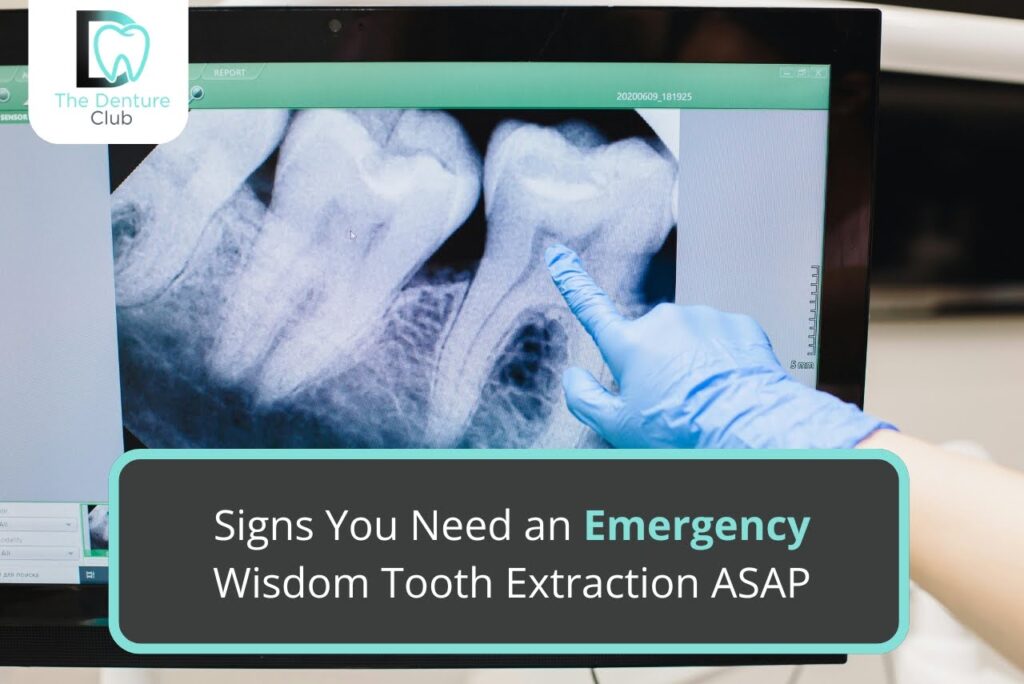
Wisdom teeth are your third molars, and most people get them between ages 17 and 25. In some cases, they erupt with no problem. But often, there’s simply not enough room in the mouth to accommodate them, leading to crowding, pain, or impaction (where the tooth gets stuck under the gums). According to the American Association of Oral and Maxillofacial Surgeons (AAOMS), nine out of ten people will have at least one impacted wisdom tooth in their lifetime.
When these molars become impacted, they can press against other teeth, damage roots, or form cysts. Worse, the surrounding gum tissue may become infected—what’s known as pericoronitis which can spread quickly and dangerously.
Warning Signs You Need an Emergency Extraction
Pain in your jaw or behind your molars isn’t always something to brush off. One of the clearest indicators of a wisdom tooth issue is persistent or throbbing pain that worsens over time. The Mayo Clinic confirms that infections or crowding can require prompt surgical extraction especially if you experience fever, foul taste in your mouth, or difficulty opening your jaw.
This kind of dental pain isn’t just inconvenient—it can signal a serious infection that could affect your bloodstream, breathing, or long-term oral health.
Swelling and Redness Around the Gums or Jawline
If your gums are red, puffy, or swollen near the back of your mouth, that’s often a sign of inflammation caused by a trapped or infected wisdom tooth. Swelling might also spread to your jawline or even your neck. The Centers for Disease Control and Prevention (CDC) warns that untreated oral infections can lead to more systemic health risks, including cardiovascular and respiratory issues.
Don’t wait for your face to swell or your fever to spike. Emergency dental care is available, and sedation options like twilight sedation or moderate sedation can make it manageable even if you’ve avoided the dentist for years.
Difficulty Opening Your Mouth or Chewing
When a wisdom tooth becomes severely infected, you may notice it’s harder to open your mouth fully or chew on one side. This can indicate that the inflammation has spread deeper into the jaw muscles or joints. The National Institute of Dental and Craniofacial Research (NIDCR) highlights that restricted jaw movement (trismus) can become a medical emergency when paired with infection, making it crucial to act quickly.
At The Denture Club, we see this all the time patients afraid of the cost or pain waiting too long. Our use of conscious sedation or oral sedation dentistry makes extractions quicker, safer, and more comfortable.
Bleeding or Oozing Gums Around the Wisdom Tooth
A little bleeding during brushing or flossing can happen, but persistent or spontaneous bleeding near your wisdom tooth could be a red flag. According to the American Dental Association (ADA), chronic bleeding or pus from the gum line can point to infection or abscess—both requiring urgent care.
Sedation options like IV sedation dentistry help patients with severe anxiety or complex extractions get the care they need without fear. At The Denture Club, we offer pediatric sedation dentistry for teens and younger patients, as well as adults who might otherwise avoid treatment.
Signs of Infection: Fever, Bad Breath, or Pus
A high temperature, bad breath that doesn’t go away, or visible pus in the gums are strong indicators that the area around your wisdom tooth is infected. Left untreated, oral infections can spread to other organs or even become life-threatening. WebMD emphasizes that infected teeth must be extracted immediately to prevent systemic complications.
That’s why we take emergencies seriously at The Denture Club. Our dental team specializes in extractions for Medicaid patients and offers affordable dental implants and follow-up care if needed.
Medicaid Dental Coverage: Can You Afford the Care You Need?
Many patients delay wisdom tooth removal out of fear it won’t be covered. But in most cases, emergency extractions are eligible for Medicaid especially when infection or pain is involved. As Medicaid.gov outlines, states must provide dental services for children, and many also cover medically necessary procedures for adults.
The Denture Club works directly with Medicaid to make sure you’re covered, and we’ll walk you through every stepwhether you’re getting a basic extraction or need IV sedation wisdom teeth surgery.
Sedation Dentistry for Pain-Free Extractions
The thought of dental surgery is enough to keep many people up at night. That’s why sedation dentistry is a game changer. From oral sedation (taken as a pill) to IV sedation dentistry, there are safe, effective ways to get through a wisdom tooth extraction without panic or pain.
As the Cleveland Clinic explains, sedation not only reduces discomfort, but also speeds up the procedure by helping you stay still and relaxed. At The Denture Club, we offer both conscious sedation and moderate sedation, tailoring the experience to your medical history and comfort level.
What to Expect During and After the Extraction
Once you’re sedated, the procedure usually takes about 30 to 60 minutes. The surgeon will remove the tooth, possibly in pieces if it’s impacted. Aftercare is just as important as the extraction itself. Following guidelines from Healthline, you’ll need to rest, avoid smoking or using straws, and manage pain with prescribed medications or cold compresses.
You might feel groggy for a few hours after sedation, but the relief from tooth pain is immediate and dramatic. Many of our patients at The Denture Club report sleeping better and eating without pain within a day or two.
Need Emergency Help Now? We’re Here.
If you’re in Idaho or nearby, The Denture Club is one of the few providers who truly prioritize Medicaid-eligible patients needing emergency wisdom tooth extraction. Whether it’s a weekend, a holiday, or just a moment when you can’t afford to wait, we’re equipped with dental sedation options and payment flexibility to get you in fast.
Through programs listed at HRSA.gov, you can also locate federally funded health centers near you if you’re traveling or out of state. But if you’re close to Nampa, we’re ready when you are.
When to Consider Denture Implants After Extraction
Sometimes, removing wisdom teeth is just the beginning. If you’re missing multiple molars and struggling to chew or speak comfortably, denture implants could be a long-term solution. Unlike traditional dentures, implants are secured into the jawbone, offering more stability and a natural look. While they can be pricey, The Denture Club is known for cheap dental implants and affordable denture implants for patients on a tight budget.
The National Institutes of Health (NIH) has ongoing research proving that replacing missing teeth with implants improves not just chewing and speaking—but mental health, too.
Don’t Wait for the Pain to Worsen
If you’re seeing signs like swelling, bleeding, pain, or fever, it’s time to get help. Wisdom tooth issues don’t go away on their own and delaying treatment can make things worse, more expensive, and more dangerous.
The good news? The Denture Club is built for people like you—those dealing with dental emergencies, financial constraints, and real anxiety about going to the dentist. With oral sedation dentistry, IV sedation, and full Medicaid support, we make it possible to fix the problem and feel like yourself again.
Conclusion
Dental emergencies can feel overwhelming but the right help is available. Whether it’s a simple extraction or a more complex case with IV sedation wisdom teeth surgery, the key is recognizing the signs and acting quickly.
The Denture Club combines expert care, transparent pricing, and real compassion to help you move forward, not just get through the pain. When you’re ready to take the first step, we’re ready to meet you with empathy, options, and a pain-free path to healing.
Frequently Asked Questions FAQs
How do I know if my wisdom tooth is a dental emergency?
If you’re dealing with constant pain, swelling, difficulty opening your mouth, or signs of infection like fever or pus, it’s time to see a dentist right away.
Does Medicaid cover wisdom tooth extractions?
Yes, Medicaid often covers emergency extractions, especially if the tooth is causing pain, swelling, or infection. Coverage can vary by state, so check with your provider.
Will I be sedated during the procedure?
Most emergency extractions use sedation to keep you comfortable. You may be offered options like oral sedation, IV sedation, or twilight sedation based on your needs.
Can teenagers get their wisdom teeth removed with Medicaid?
Absolutely. Many teens have their wisdom teeth removed between ages 16–19, especially if there’s pain or crowding. Medicaid usually covers this if it’s medically necessary.
What is recovery like after the extraction?
You’ll likely need a day or two of rest. Stick to soft foods, follow your aftercare instructions, and use any prescribed medication to stay comfortable as you heal.