
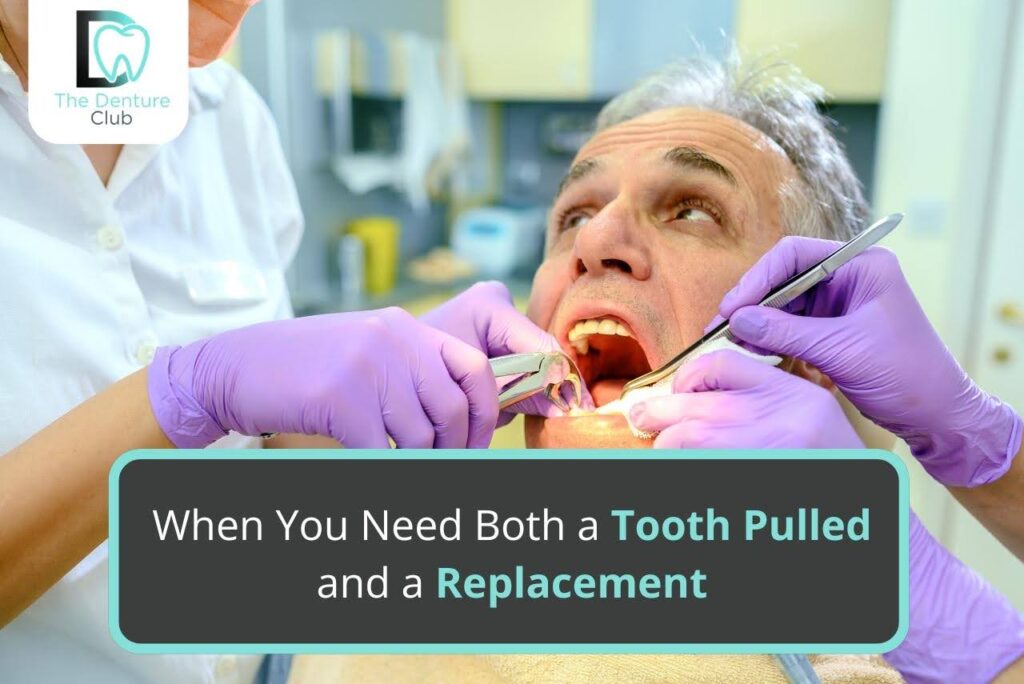
Dental emergencies can happen at any age, whether you’re 14 or 45. A sudden wisdom tooth infection, severe toothache, or broken molar can leave you needing immediate relief and wondering what comes next. If your situation calls for an emergency tooth extraction and you’re also missing teeth or about to lose one, the next steps might feel overwhelming. Fortunately, with the right support and understanding of your options, you can move from pain to a restored, confident smile.
Let’s break down what to expect when you need to extract a tooth and also plan for a tooth replacement, especially if you rely on Medicaid dental coverage and are looking for affordable care options.
Understanding Why Teeth Need to Be Removed
The decision to remove teeth is never taken lightly. Often, it’s the result of advanced decay, gum disease, trauma, or a painful infection that can’t be reversed. In some cases, like with impacted or infected wisdom teeth, the damage can escalate quickly. According to the American Dental Association (ADA), extraction may be the best way to stop the spread of infection, relieve pain, and protect surrounding teeth.
If you have intense tooth extraction pain, swelling, bleeding gums, or a foul taste in your mouth, these are warning signs of a tooth extraction infection or possibly an infected wisdom tooth extraction emergency. Quick action is critical to avoid worsening health complications.
Emergency Wisdom Tooth Extractions and Infections
Wisdom teeth often cause trouble during late teens to early adulthood, which is why many in the 14–45 age group experience problems that require an emergency wisdom tooth extraction. If a removal wisdom tooth procedure is delayed, the area can become infected, cysts may form, or nearby teeth can shift. According to the American Association of Oral and Maxillofacial Surgeons (AAOMS), removing problematic wisdom teeth early can prevent complications and promote faster healing.
At The Denture Club, our team understands how scary this process can feel. We offer Free Denture Consult services and same-day emergency appointments so you can get relief fast especially if you’re on Medicaid and need affordable, compassionate care.
Medicaid Tooth Extractions: What’s Covered?
If you’re a Medicaid user, you may be wondering if Medicaid tooth extraction is covered in your state. It varies, but in many places, Medicaid helps cover necessary extractions, especially when there’s pain, infection, or medical urgency. Medicaid.gov outlines that dental services, including emergency extractions, are often covered for children and sometimes adults, depending on state-specific rules.
What Happens During an Emergency Tooth Extraction?
In most cases, an emergency tooth extraction is done to relieve unbearable pain or stop an active infection. This is usually a fast, in-office procedure, especially when done under local or oral sedation. According to Mayo Clinic, simple extractions typically take less than 30 minutes, while surgical removals (like for impacted wisdom teeth) might take longer.
After the procedure, it’s crucial to follow your dentist’s instructions closely. This reduces the risk of complications and promotes smoother healing tooth extraction recovery. Proper care is especially important for patients who experience complications like dry socket or infection after the procedure.
Healing After a Tooth Extraction
The healing tooth extraction phase can take anywhere from a few days to a couple of weeks. Factors like age, overall health, smoking habits, and how well you follow aftercare instructions all influence how your body heals. Healthline recommends rest, soft foods, and avoiding smoking or straw use for at least 24–48 hours.
If you notice lingering swelling, pus, increasing pain, or fever, you may have a tooth extraction infection and should seek care immediately. At The Denture Club, our providers monitor healing and help patients transition to teeth replacement once their gums have recovered.
Wisdom Tooth Extraction Healing Tips
Many young adults dread having to remove wisdom teeth, but early extraction tends to result in faster, easier recovery. Proper wisdom tooth extraction healing starts with managing swelling, preventing infection, and maintaining a clean mouth without disturbing the healing socket.
The Centers for Disease Control and Prevention (CDC) emphasizes the importance of oral health habits post-extraction to prevent long-term complications. We echo that advice and support patients with personalized guidance to make healing smooth and stress-free.
Why Tooth Replacement Matters After an Extraction
After you remove a tooth, it’s easy to assume the problem is solved. But the gap left behind can cause a chain reaction shifting teeth, bite issues, bone loss, and facial collapse over time. That’s why timely tooth replacement is vital for both health and confidence.
Whether it’s a back molar or a front tooth, ignoring a missing tooth can lead to long-term problems. The National Institute of Dental and Craniofacial Research (NIDCR) explains that replacing missing teeth helps preserve jaw structure and overall oral function.
Denture Implants vs Traditional Dentures
If you’ve had to remove teeth due to infection or trauma, you might be wondering if denture implants are right for you. These are a more stable and permanent option than traditional dentures. According to Cleveland Clinic, implants offer a secure fit, preserve bone health, and can last decades with proper care.
Denture implants are especially helpful if you’re missing several teeth and want a durable solution that doesn’t slip or irritate your gums. Though they may cost more upfront, they’re considered one of the best ways to restore missing teeth long-term.
What If You Can’t Afford Implants?
Not everyone can pay for implants out of pocket and that’s okay. Many patients opt for traditional dentures, which still offer functional, natural-looking results at a lower cost. And in many cases, Medicaid dental services may help offset some of the cost of dentures or extractions, as outlined by CMS.gov.
The Denture Club specializes in helping patients get full or partial dentures covered through Medicaid when eligible. You don’t need perfect credit or private insurance to replace a missing tooth, just a plan, a provider who cares, and a team that understands the system.
Pediatric and Young Adult Care: Special Considerations
For younger patients, including teens and those in their early twenties, dental needs are often different. Growth patterns, orthodontics, and genetics play a big role in whether teeth need to be removed. According to the American Academy of Pediatric Dentistry (AAPD), early evaluation can prevent more serious issues down the road.
That’s why The Denture Club is committed to serving all ages with empathy and expertise, especially when helping younger patients through their first dental emergencies.
What to Expect at a Free Denture Consult
If you need to remove wisdom teeth and are thinking about future replacements, scheduling a Free Denture Consult is a great first step. At The Denture Club, our consults include:
- A full exam and X-rays
- Medicaid benefits verification
- Personalized treatment options
- Transparent pricing and timelines
We aim to make it easy for you to go from emergency care to long-term restoration without confusion or high costs.
Replace Missing Teeth Without Delay
Waiting too long to replace missing teeth after an extraction can cause serious oral health issues, jawbone shrinkage, gum loss, and changes in facial shape. The longer you wait, the harder and more expensive it becomes to restore your smile.
If you’re experiencing pain, swelling, or suspect an infection, don’t put it off. Whether you need to remove a tooth, explore teeth replacement, or get guidance on affordable dental implants, The Denture Club is here to help, especially if you’re relying on Medicaid and need a realistic, pressure-free path forward.
Conclusion
Having to remove wisdom teeth, go through an infected wisdom tooth extraction, or navigate Medicaid coverage isn’t something you should have to do alone. With the right provider and a clear plan, you can go from discomfort to healing, and from extraction to replacement all with dignity and care.
The Denture Club is here to support you at every step, from emergency wisdom tooth extraction to long-term tooth replacement options. We serve individuals and families with respect, urgency, and solutions that work.
If you’re hurting now or worried about what comes next, schedule your Free Denture Consult today. Let’s get you back to smiling without the stress.
Frequently Asked Questions FAQS
How long does healing take after a tooth extraction?
Most patients feel better within 3 to 5 days after a simple extraction, though full healing tooth extraction can take 1 to 2 weeks. For surgical removals like removing wisdom teeth, healing can take a little longer. Proper aftercare reduces the risk of complications like tooth extraction infection.
What’s the best way to replace a missing tooth?
That depends on your budget, oral health, and how many teeth are missing. Options include bridges, denture implants, partial dentures, or affordable dental implants. A dentist can help you choose based on function, appearance, and cost.
What is a denture implant?
Denture implants are dentures that snap onto dental implants placed in your jaw. They offer more stability than regular dentures and help restore missing teeth with a natural feel.
Is it normal to have pain after a tooth is pulled?
Yes, tooth extraction pain is common in the first 24–72 hours and can be managed with rest, medication, and cold compresses.
Can I replace multiple missing teeth at once?
Absolutely. Many patients replace missing teeth using full or partial dentures or a combination of implants and prosthetics.