Missing teeth can affect more than just your smile; they can impact your ability to eat, speak, and live confidently. Whether you’ve had to extract a tooth because of infection or need to remove wisdom teeth due to pain and swelling, it’s essential to know your tooth replacement options especially if you rely on Medicaid for dental care.
At The Denture Company, we specialize in compassionate, affordable care for patients who need to remove teeth or replace them through solutions like denture implants. This guide will walk you through the common reasons people lose teeth, what treatments are available, and how Medicaid dental coverage works for tooth replacement.
Why You Might Need to Replace a Tooth
Sometimes, it’s not a choice. Whether it’s from trauma, decay, or an infected wisdom tooth extraction, many patients between 14 and 45 find themselves needing to remove a tooth quickly. In emergency cases, like a cracked molar or tooth extraction infection, delaying care can make things worse.
According to Mayo Clinic, teeth may need to be extracted when they’re too damaged to be saved. This includes advanced decay, injury, or impacted wisdom teeth. Once a tooth is out, the next step is understanding how to replace missing teeth before complications like bone loss or shifting teeth develop.
Emergency Tooth Extraction: When Waiting Isn’t an Option
Emergency tooth extraction can feel scary, especially when you’re in pain, unsure about costs, and worried about your smile. But the truth is, acting quickly can save you money and prevent more serious problems.
An emergency wisdom tooth extraction may be necessary if there’s swelling, fever, or signs of an abscess. In cases like this, seeking care from an oral surgeon or dental provider like The Denture Company is critical. According to WebMD, infections around teeth can spread, leading to complications far beyond your mouth. Immediate treatment may involve antibiotics, surgery, or same-day tooth removal.
What Does Medicaid Cover for Tooth Replacement?
Not all dental treatments are automatically covered by Medicaid, but some states provide options to replace missing teeth, particularly if the absence of teeth interferes with nutrition or daily functioning.
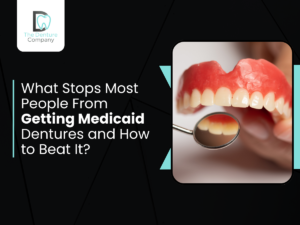
As noted by Medicaid.gov, dental benefits under Medicaid vary by state. Many cover Medicaid tooth extraction for emergencies, and in some states, full or partial dentures may be included when deemed medically necessary. For young adults and children, coverage tends to be more comprehensive under the Early and Periodic Screening, Diagnostic, and Treatment (EPSDT) benefit.
Tooth Replacement Options If You Have Medicaid
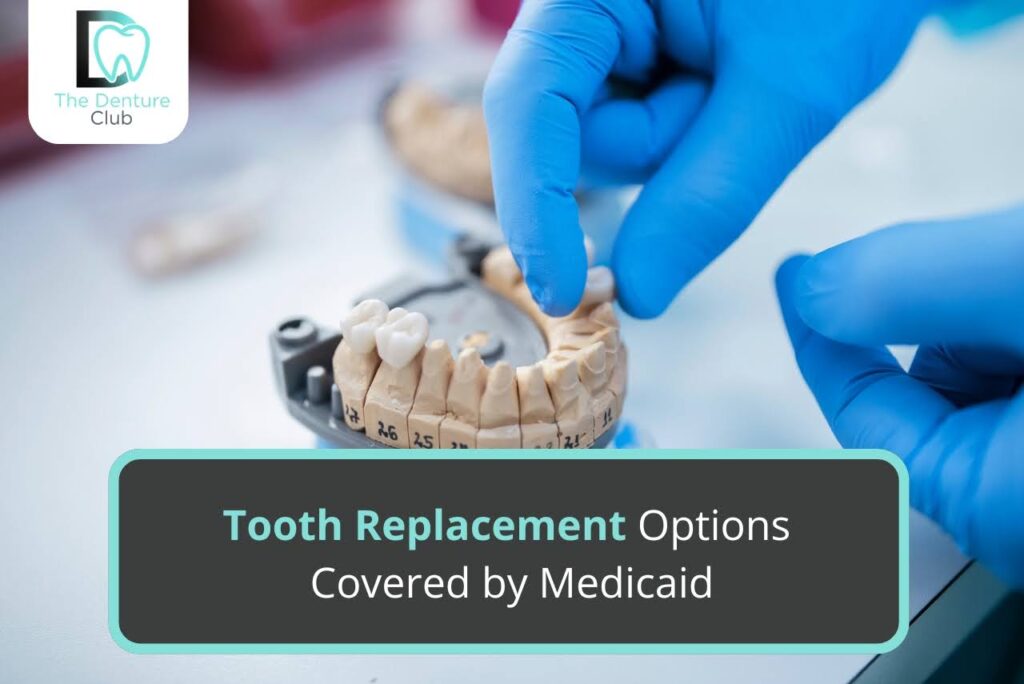
So what are your tooth replacement options if you’re on Medicaid and just had to remove a tooth? The most common include:
- Complete dentures for patients missing all teeth
- Partial dentures for patients missing several teeth
- In select states, denture implants may be partially covered
- Some affordable dental implants options may be available through Medicaid partnerships or grants
According to CMS.gov, the availability of these services depends heavily on state-level decisions. That’s why The Denture Company helps patients understand what’s covered in their area and how to apply.
Denture Implants: A Stable, Long-Term Option
Traditional dentures can be a good solution, but many patients—especially younger ones prefer the feel and security of denture implants. These are prosthetic teeth attached to posts placed in the jaw, offering a more natural feel and greater confidence when chewing or talking.
As Cleveland Clinic explains, dental implants are one of the most effective tooth replacement solutions. While Medicaid doesn’t always cover them, cheap dental implants or payment plans are sometimes available through dental discount programs or clinics like The Denture Company that offer financing.
After an Extraction: Healing and Next Steps
The healing tooth extraction process can vary depending on your age, health, and how complex the removal was. If you’ve recently had a wisdom tooth procedure, you’ll want to follow all post-op instructions to avoid issues like tooth extraction infection or delayed wisdom tooth extraction healing.
According to Healthline, proper care involves rest, ice, avoiding smoking, and sticking to soft foods for a few days. Once healed, your provider will assess bone strength and gum health to see which teeth replacement route fits you best.
What Happens If You Don’t Replace a Missing Tooth?
Some patients think they can get by without replacing a missing tooth especially if it’s in the back but that’s rarely a good long-term strategy. Not only can it impact your ability to chew and speak, but it can also cause neighboring teeth to shift, increase decay risk, and lead to jawbone loss.
The CDC states that severe tooth loss can reduce quality of life and increase the risk of health conditions like heart disease and diabetes. Tooth replacement options like dentures or denture implants can help prevent these issues and restore your smile’s function and appearance.
Affordable Options for Teens and Young Adults
If you’re between 14 and 25 and need to remove teeth, cost can feel like a barrier especially if you’re not on your parents’ insurance anymore. Thankfully, programs supported by HRSA.gov help connect Medicaid-eligible individuals to affordable dental providers in their area.
The Denture Company works closely with these centers to provide Free Denture Consult services and low-cost solutions, including teeth replacement and extractions. Whether you need to remove wisdom teeth or get fitted for partials, we can help you navigate both treatment and coverage.
The Role of Pediatric Dentistry in Medicaid
For teens under 21, Medicaid often provides full coverage for dental services, including emergency extractions and tooth replacement when medically necessary. This is thanks to the EPSDT benefit, which guarantees comprehensive preventive and restorative care.
As the American Academy of Pediatric Dentistry outlines, early access to dental care can prevent complications later in life. If your teen is facing tooth extraction pain or needs to replace a missing tooth due to trauma or decay, now’s the time to explore treatment options.
Addressing Pain and Infection Before It Spreads
One of the biggest reasons to act quickly when facing tooth issues is the risk of tooth extraction infection. If you’re dealing with swelling, pus, or throbbing pain, especially after an infected wisdom tooth extraction, don’t wait it out. These symptoms can mean the infection is spreading, and ignoring it could lead to more extractions or even hospitalization.
The NIH warns that untreated infections in the mouth can have serious consequences, including heart problems. That’s why The Denture Company offers emergency tooth extraction and rapid follow-up care for Medicaid patients.
Healing from Wisdom Tooth Extraction
Most people get their wisdom teeth out between ages 17 and 25. If your dentist recommends that you remove the wisdom tooth because it’s impacted, infected, or crowding your bite, plan for a few days of downtime.
According to AAOMS, complications like dry socket or infection can be avoided with proper aftercare and monitoring. After wisdom tooth extraction healing is complete, talk to your provider about how it affects your bite and whether other teeth might need attention.
Can You Get Implants with Medicaid?
While Medicaid generally covers extractions, it rarely covers affordable dental implants directly. However, The Denture Company helps eligible patients access cheap dental implants through alternative financing, community programs, and custom care plans.
If you’re looking to restore missing teeth with a more permanent solution than dentures, we can guide you through your options and what’s realistically affordable. You may be surprised to learn that denture implants are possible even on a tight budget.
Local and State Help for Medicaid Dental Patients
Finding care near you doesn’t have to be overwhelming. Many communities offer local programs, including dental schools, mobile clinics, and Medicaid-focused providers that can remove teeth, provide tooth replacement, or even assist with denture implants if medically necessary.
Use NIH’s Oral Health Topics resource to understand how to care for your teeth at every stage of life. From teens to adults, access to dental care is essential—and with Medicaid, you often have more options than you think.
Ready to Replace Missing Teeth?
If you’ve recently had to extract a tooth or are worried about tooth extraction pain, you don’t have to live in discomfort or insecurity. The first step is booking a Free Denture Consult to see what solutions fit your needs and budget.
At The Denture Company, we walk Medicaid-eligible patients through every step—from emergency tooth extraction to denture implants and beyond. Our team understands the urgency, pain, and emotional toll of losing a tooth, and we’re here to help you find a safe, affordable path forward.
Conclusion
Tooth loss can happen for many reasons but thanks to programs like Medicaid dental coverage, you don’t have to go without treatment. Whether you need to remove teeth, manage tooth extraction infection, or explore tooth replacement options, The Denture Company is committed to providing you with expert care that doesn’t break the bank.
Take the first step today. Schedule your Free Denture Consult, ask us about cheap dental implants, or let us help you understand your Medicaid tooth extraction benefits. Relief, comfort, and a confident smile are closer than you think.
Frequently Asked Questions FAQS
Does Medicaid cover tooth replacement?
Yes, in many states, Medicaid covers dentures or partials if medically necessary, but it usually doesn’t cover dental implants.
What’s the cheapest way to replace a tooth?
Dentures are typically the most affordable and often covered by Medicaid. Denture implants cost more but may be available with payment plans.
Can I get dental implants with Medicaid?
Rarely. Medicaid tooth replacement benefits usually don’t include affordable dental implants, but some providers offer discounts or financing.
Does Medicaid cover emergency tooth extraction?
Yes. Emergency tooth extraction, including for infected or impacted wisdom teeth, is often fully covered by Medicaid.
What happens after I remove a tooth?
You may need to wait for healing tooth extraction before getting dentures or other tooth replacement options. Ask about a Free Denture Consult.