Losing a tooth can feel overwhelming whether it happened suddenly or after years of pain and decay. Many young adults and families across the U.S. face this challenge, often while juggling tight budgets and limited access to care. But if you’ve had to extract a tooth, or you’re thinking about whether to remove teeth due to infection or crowding, there are practical, affordable ways to move forward.
This guide breaks down your best tooth replacement options from temporary fixes to long-term denture implants and cheap dental implants while also helping you understand what to expect after a tooth extraction. Whether you’re dealing with an infected wisdom tooth, looking for support through Medicaid, or figuring out what comes next after a dental emergency, this is a good place to start.
Why Teeth Get Removed and Why It’s More Common Than You Think
Tooth loss isn’t just something older adults deal with. It’s surprisingly common among teens and young adults, especially those who experience trauma, infection, or don’t have access to routine dental care. Wisdom teeth often cause pain, crowding, or infection, making emergency wisdom tooth extraction a necessary step to protect the rest of your mouth.
According to the National Institute of Dental and Craniofacial Research, gum disease and decay remain major causes of tooth loss in the U.S., particularly among those with limited dental coverage. For many, pulling a damaged or impacted tooth is the safest option but it’s only the beginning of the healing and tooth replacement journey.
When You Might Need to Extract a Tooth
Sometimes the only solution is to remove a tooth especially if it’s severely decayed, infected, or causing damage to surrounding teeth. Wisdom teeth often fall into this category. They can become impacted (stuck under the gum), leading to swelling, pain, or even jaw infections.
The Mayo Clinic explains that tooth extraction is often necessary when a tooth can’t be saved with a filling or crown. If you’re feeling pressure in your jaw, experiencing gum inflammation, or have trouble chewing due to pain, it may be time to consider removal before things worsen.
Emergency Tooth Extraction: What It Means and What to Expect
Dental emergencies happen fast. A tooth may crack, break, or become infected seemingly overnight. In these moments, an emergency tooth extraction can stop the pain and prevent further infection. It’s not something to put off.
The American Association of Oral and Maxillofacial Surgeons emphasizes the importance of prompt care for impacted or infected teeth. If you’re seeing facial swelling, pus, fever, or intense pain, those are red flags that the tooth needs to come out. Some clinics offer same-day service for this kind of urgent situation, especially when it involves an infected wisdom tooth extraction.
What the Recovery Timeline Looks Like
Once the tooth is removed, your body begins to heal. The first few days are critical, as the socket forms a clot and starts to close. For most people, swelling and tenderness last about 48 to 72 hours. After that, discomfort tends to ease but healing tooth extraction fully can take a few weeks.
The Centers for Disease Control and Prevention recommends avoiding smoking, using straws, or eating hard foods during the early healing phase. Keeping the site clean, resting, and staying hydrated all play a part in speeding recovery and avoiding complications.
Understanding Tooth Extraction Pain and How to Manage It
Yes, you’ll feel some discomfort, especially in the first few days. But with the right care, tooth extraction pain doesn’t have to be overwhelming. Most people manage well with over-the-counter pain relievers, soft foods, and simple home remedies like cold compresses.
According to WebMD, the level of pain depends on the tooth, your health, and whether it was an emergency or planned extraction. If your pain increases rather than decreases, or you notice a bad smell or taste, that could indicate a tooth extraction infection, and you’ll need follow-up care.
What Happens If You Don’t Replace a Missing Tooth?
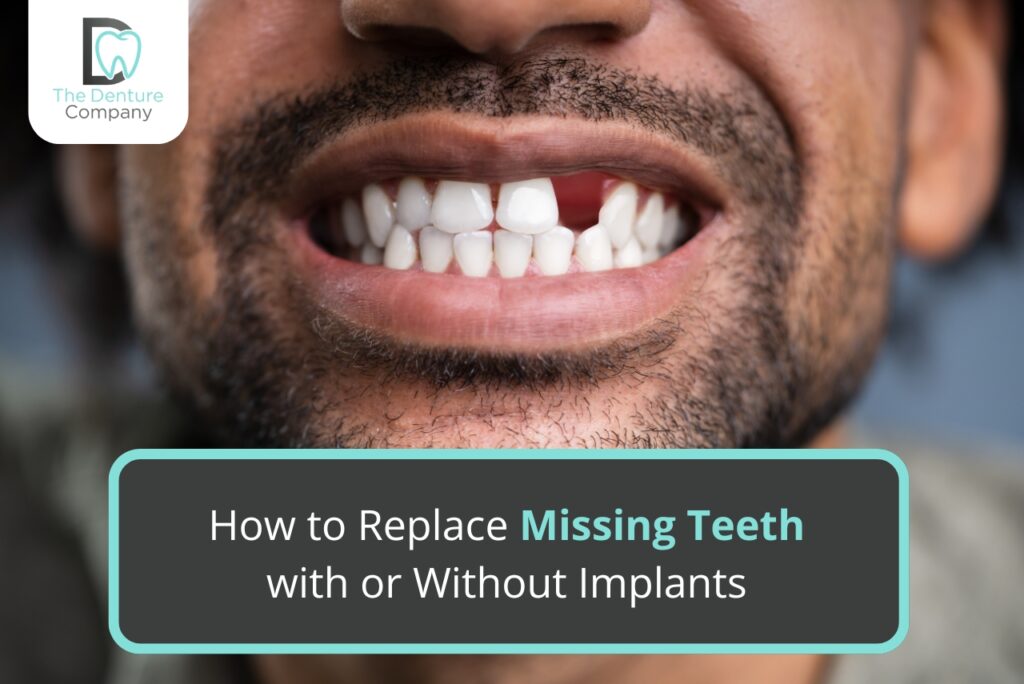
A missing tooth isn’t just about appearance it affects your bite, your bone structure, and your long-term oral health. Without support, nearby teeth start to shift. Bone loss in the jaw can also begin within months of extraction.
The Cleveland Clinic points out that replacing missing teeth with implants, dentures, or bridges helps prevent these issues. Early action preserves your smile and makes future treatment easier and more affordable.
Replacing Missing Teeth: Your Main Options
You’ve got choices, depending on how many teeth were removed, your age, and your budget. If you’ve had a single tooth pulled, a basic bridge or partial denture might work. If you’ve had to remove multiple teeth, a full denture or denture implants might be more reliable long term.
For those looking for a more permanent option, tooth replacement with implants is becoming increasingly common. These titanium posts act as artificial roots and anchor crowns or dentures in place. They’re especially helpful for people who want to avoid the slipping or discomfort sometimes caused by traditional dentures.
Denture Implants vs. Traditional Dentures
Traditional dentures rest on your gums and often require adhesive. While they’re affordable, they can slip or irritate sensitive areas. Denture implants, by contrast, are anchored directly into the jaw, offering better fit and function for daily life.
The American Dental Association shares that implant-supported dentures offer more stability, especially for those who have lost multiple teeth due to decay, injury, or disease. While they may cost more upfront, many find them more comfortable and longer lasting.
Are Cheap Dental Implants a Real Thing?
You might’ve heard about implants being expensive and yes, they can be. But some clinics offer affordable dental implants or cheap dental implants as part of sliding scale payment plans or Medicaid-friendly care programs. Costs also vary depending on how many implants are needed and what type of restoration is used.
The Health Resources and Services Administration (HRSA) offers tools to help people find lower-cost dental clinics, especially in underserved areas. It’s always worth asking providers what payment plans or reduced-cost options they might have.
Wisdom Tooth Problems? Don’t Ignore Them
Wisdom teeth often emerge between ages 17–25 and cause issues more often than not. If you feel pressure in the back of your mouth, notice swelling, or struggle to open your jaw fully, those may be signs it’s time to remove wisdom teeth.
The American Academy of Pediatric Dentistry supports early evaluation of wisdom teeth to avoid crowding or impaction. Left untreated, they can damage nearby teeth or lead to painful infections. Don’t wait until its unbearable early removal is often easier and safer.
What Does Healing Look Like After Wisdom Tooth Removal?
Wisdom tooth extraction healing can take a little longer than a simple single-tooth removal. Swelling may peak around day 2 or 3, with gradual improvement afterward. Stick with soft foods, ice packs, and prescribed rinses to keep the area clean.
As Healthline explains, proper aftercare is key to avoiding dry socket, infection, and delayed healing. Most people feel significantly better within a week but follow-ups are important to monitor healing and prevent complications.
When to Consider Tooth Replacement
Once your mouth has healed, replacing the missing tooth becomes the priority. Gaps can cause chewing problems, jaw pain, and confidence issues. Whether you go with a bridge, a partial, or denture implants, acting early keeps your other teeth stable and your bite aligned.
Talk to your local provider about the best tooth replacement options for your age, health, and budget. A simple conversation can clarify your next steps and prevent future issues from popping up.
Get Your Free Denture Consult Today
No one should have to live with missing teeth, especially when help is this close. Whether you’re dealing with tooth extraction pain, planning to remove teeth, or finally ready to replace a missing tooth, reach out. We’ll help you explore cheap dental implants, Medicaid coverage, and realistic ways to get your smile back.
Book your Free Denture Consult with The Denture Company today and discover how easy it can be to eat, speak, and smile again with confidence.
Conclusion
Tooth loss whether from an infected wisdom tooth extraction, trauma, or emergency care doesn’t have to define your future. With options like denture implants, affordable dental implants, and Medicaid-supported services, you have access to real solutions. The key is acting early, staying informed, and choosing care that fits your life.
Frequently Asked Questions FAQS
What is the healthiest way to replace missing teeth?
Are you missing teeth, or having problems with an ill-fitting denture or bridge? If so, you should consider dental implants. The next best thing to real teeth, dental implants are designed to look, feel, and function like your natural teeth so you can be confident in your smile.
How painful is a dental implant?
Dental implant surgery itself is not typically painful, as it’s performed under local anesthesia to numb the area.
What is the cheapest way to replace a missing tooth?
A removable partial denture. It has a metal or acrylic base that matches the color of your gums.
When not to have a dental implant?
If you have gum disease or other oral health problems, you may not be a good candidate for dental implants.
What can a dentist do to replace missing teeth?
Dentures or false teeth. More commonly known as false teeth, dentures are fitted in place of natural teeth.