Dental anxiety isn’t just a nervous feeling before a procedure, it can be a barrier that keeps many people from getting the care they urgently need. For Medicaid-eligible patients and families searching for affordable, stress-free dental care, sedation dentistry offers a way to make procedures like tooth extractions, wisdom teeth removal, and even denture fittings comfortable and manageable. Whether it’s a simple oral sedation pill or IV sedation for wisdom teeth surgery, understanding your sedation options can change the way you approach dental visits.
At The Denture Company, we specialize in making dental care accessible and compassionate for patients who qualify for Medicaid. Let’s break down how sedation dentistry works, the levels of sedation available, and how you can get affordable emergency care when you need it most.
What is Sedation Dentistry and Who Needs It?
Sedation dentistry refers to the use of medication to help patients relax during dental procedures. It ranges from minimal sedation (you’re awake but relaxed) to general anesthesia (you’re completely unconscious). For patients facing tooth extractions, impacted wisdom teeth, or emergency dental issues, sedation isn’t a luxury it’s often essential for a safe and comfortable experience. According to the American Dental Association (ADA), sedation can reduce physical discomfort and anxiety, especially for patients with severe dental phobia, sensitive gag reflexes, or complex medical needs.
Medicaid and Sedation Dentistry: Are You Covered?
Many patients wonder, does Medicaid cover sedation dentistry? The answer isn’t always simple. Medicaid dental coverage varies by state, but essential dental services, like extractions, are generally covered. Sedation, however, may require prior authorization or may be limited to specific situations, such as oral surgeries or pediatric care. For the most accurate information on what your Medicaid plan covers, you can visit Medicaid Dental Coverage. The Denture Company works closely with Medicaid programs to ensure patients know their sedation options and financial responsibilities upfront—so there are no surprises when you’re already dealing with dental pain.
Levels of Dental Sedation-From Mild to Deep
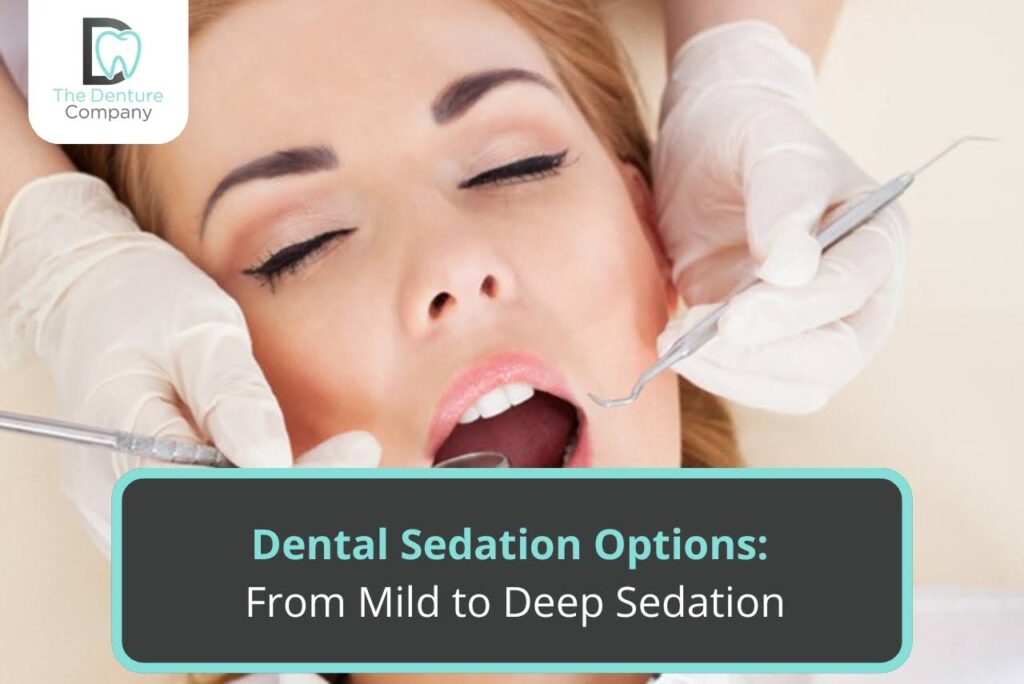
Sedation in dentistry isn’t one-size-fits-all. The choice depends on your anxiety level, the complexity of the procedure, and your overall health. The four main levels include minimal, moderate, deep sedation, and general anesthesia. Oral sedation dentistry typically uses pills like Halcion to create a drowsy but conscious state, perfect for routine extractions or denture fittings. For more intensive procedures, like impacted wisdom tooth removal, IV sedation dentistry provides a deeper level of sedation while still allowing patients to respond to verbal cues.
According to the Mayo Clinic, sedation is especially beneficial for patients undergoing surgical extractions, ensuring safety and comfort throughout the procedure. At The Denture Company, we offer tailored sedation plans to match your needs and Medicaid eligibility.
Conscious Sedation: Staying Relaxed but Responsive
Conscious sedation is a term used for both moderate and minimal sedation techniques where the patient is relaxed but remains aware and able to follow instructions. This form of sedation is ideal for patients who have dental anxiety but don’t require deep sedation. Conscious sedation is often achieved through oral sedation or nitrous oxide (laughing gas), depending on the patient’s comfort level and medical history.
The Cleveland Clinic explains that conscious sedation allows for quicker recovery times compared to deep sedation or general anesthesia, making it an excellent choice for busy patients who need to return to normal activities faster. For Medicaid patients, conscious sedation is typically more accessible, especially when deemed medically necessary for procedures like tooth extractions or denture placements.
IV Sedation for Wisdom Teeth: When is it Necessary?
When it comes to impacted or infected wisdom teeth, IV sedation wisdom teeth procedures are often the safest and most comfortable route. IV sedation offers a deeper level of relaxation compared to oral sedation, with medication administered directly into the bloodstream for immediate effect. According to the American Association of Oral and Maxillofacial Surgeons (AAOMS), IV sedation is commonly used for surgical extractions, as it allows the surgeon to manage pain and anxiety effectively throughout the procedure.
At The Denture Company, our team works with patients to determine whether IV sedation dentistry is the best fit for their procedure and Medicaid plan, ensuring a safe, affordable path to a healthier smile.
Pediatric Sedation Dentistry
Children with severe dental anxiety or special healthcare needs often require sedation for safe and effective dental treatments. Pediatric sedation dentistry ensures that children remain calm, cooperative, and pain-free during procedures like extractions or cavity fillings. The American Academy of Pediatric Dentistry (AAPD) emphasizes the importance of tailored sedation strategies for children, ensuring safety while minimizing stress for both the child and their caregivers.
The Denture Company understands the unique challenges parents face when seeking affordable, Medicaid-covered sedation options for their children. We offer compassionate pediatric sedation services designed to make dental visits less intimidating for young patients.
The Middle Ground Between Awake and Asleep
Twilight sedation is a term often used to describe moderate IV sedation where the patient remains semi-conscious but deeply relaxed. You won’t be fully asleep, but you likely won’t remember much of the procedure. This is a preferred choice for patients undergoing multiple extractions or denture surgeries in a single visit. According to the CDC’s Oral Health Resources, sedation techniques like twilight sedation help reduce procedural anxiety and improve treatment outcomes, especially for those who have delayed care due to fear.
At The Denture Company, twilight sedation is often recommended for Medicaid patients requiring complex extractions, as it offers a balance of safety, comfort, and affordability.
Oral Sedation vs. IV Sedation: What’s the Difference?
Choosing between oral sedation and IV sedation depends on the complexity of the dental procedure and your personal comfort level. Oral sedation involves taking a pill, typically an hour before the appointment, resulting in a relaxed but awake state. IV sedation, on the other hand, is administered intravenously, allowing for a more controlled and adjustable level of sedation throughout the procedure.
The National Institutes of Health (NIH) outlines that while oral sedation is often sufficient for routine dental work, IV sedation is preferable for longer, more invasive procedures. At The Denture Company, our team will guide you through the pros and cons of each option, helping you make an informed decision that aligns with your Medicaid coverage.
Sedation Dentistry for Medicaid Patients: What You Should Know
Navigating Medicaid’s dental sedation policies can be confusing. While most Medicaid plans cover essential dental services, sedation coverage is often limited to medical necessity. This means that for procedures like extractions due to infection or severe pain, sedation may be covered, but cosmetic procedures typically are not. The Centers for Medicare & Medicaid Services (CMS) provides detailed guidelines on dental service coverage under Medicaid.
The Denture Company has extensive experience working with Medicaid to ensure that necessary sedation procedures are documented and pre-approved when possible, giving patients peace of mind and clarity about their out-of-pocket costs.
Recovery After Sedation: What to Expect
Whether you undergo moderate sedation with oral medications or deeper IV sedation, aftercare is a crucial part of your recovery. Patients should expect some grogginess post-procedure and will need a trusted adult to accompany them home. Following post-sedation guidelines, such as resting, avoiding heavy meals, and monitoring for any unusual symptoms, is key for a smooth recovery.
Healthline recommends patients follow their dentist’s aftercare instructions carefully, as sedation can affect motor skills and decision-making for several hours after the procedure. At The Denture Company, we provide clear, easy-to-follow aftercare plans tailored to each sedation level, ensuring patients and caregivers know exactly what to expect after their visit.
Accessing Affordable Sedation Dentistry Near You
Finding affordable dental sedation options, especially for Medicaid patients, can be challenging. However, resources like the Health Resources and Services Administration (HRSA) allow patients to locate community health centers that provide dental services, often with sedation options available. The Denture Company partners with local health resources to make sedation dentistry accessible, whether you need emergency extractions, denture fittings, or wisdom teeth removal.
For patients in urgent need of care, we offer same-day appointments and flexible payment plans, ensuring no one has to live with dental pain due to financial constraints.
Conclusion
Dental sedation isn’t just about comfort—it’s about making essential dental care accessible to everyone, regardless of fear, anxiety, or financial situation. At The Denture Company, we believe that no patient should avoid necessary procedures due to sedation concerns. We work closely with Medicaid programs to maximize your coverage and minimize your stress, offering a full range of sedation options including oral sedation dentistry, IV sedation dentistry, and pediatric sedation dentistry.
If you’re facing an emergency extraction, wisdom tooth pain, or need a full denture makeover, sedation can make your journey smoother and less intimidating. Contact The Denture Company today to learn how we can help you get the care you need comfortably, affordably, and compassionately.