If the thought of going to the dentist makes your palms sweat, you’re not alone. Dental anxiety affects nearly 36% of the population to some degree, and for many people, it becomes a barrier to care (ADA, 2022).
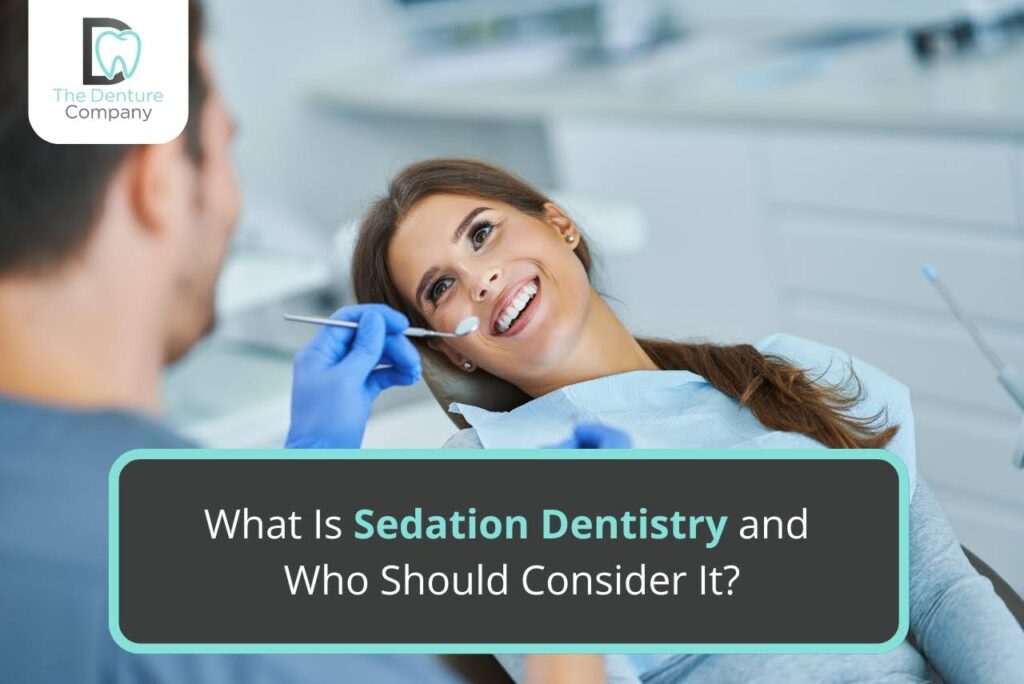
That’s where sedation dentistry comes in a specialized method to help patients relax, feel at ease, or even sleep through procedures without pain or fear.
Whether you’re preparing for wisdom teeth removal, have special needs, or simply feel uneasy in the dental chair, understanding your sedation options can change your whole experience.
What Is Sedation Dentistry?
Sedation dentistry uses medication to help patients relax during dental procedures. It’s often referred to as “sleep dentistry”, although most forms allow patients to remain awake but calm.
According to the American Dental Association (ADA), the types of sedation used in dentistry include:
- Minimal sedation: Awake but relaxed
- Moderate sedation (conscious sedation): May slur words, won’t remember much
- Deep sedation: On the edge of consciousness
- General anesthesia: Completely unconscious
Each level is carefully adjusted based on your medical history, the type of dental work, and your comfort level.
Types of Sedation Used in Dentistry
When it comes to managing dental fear or ensuring comfort during complex procedures, sedation dentistry offers several levels and methods to meet your needs. Choosing the right form depends on your anxiety level, health history, and the type of dental treatment you’re receiving. Below are the most widely used types of dental sedation, along with who they’re best suited for.
1. Oral Sedation Dentistry
Oral sedation involves taking a prescribed pill about an hour before your dental procedure. It doesn’t put you fully to sleep, but it can make you feel deeply relaxed, sometimes even groggy. You’ll still be awake and able to respond, but you may remember little of the experience.
Oral sedation dentistry is commonly recommended for:
- Adults with mild to moderate dental anxiety
- Patients undergoing long or invasive procedures
- Seniors with heart conditions or hypertension, where stress must be minimized
- People with a sensitive gag reflex
At The Denture Company, we often recommend oral sedation for patients receiving multiple extractions, especially seniors who may feel overwhelmed or anxious. It’s a simple, cost-effective way to stay calm during treatment.
2. IV Sedation Dentistry
IV sedation dentistry involves administering sedative medications directly into a vein, usually in the arm or hand. This allows the dentist to adjust the level of sedation throughout the procedure in real-time. Unlike oral sedation, it kicks in quickly and is often preferred for surgical or complex cases.
IV sedation is especially beneficial for:
- Wisdom tooth removal and oral surgeries
- Patients with severe dental phobia or panic disorders
- Individuals with strong gag reflexes or sensory sensitivities
- Those undergoing multiple or extended treatments in one session
The Denture Company offers IV sedation for surgical extractions and complex denture procedures, especially for those who want to complete multiple steps in a single visit. It’s a great option for patients who haven’t been to the dentist in years and need a fresh start, pain-free.
3. Nitrous Oxide (“Laughing Gas”)
Also known as inhalation sedation, nitrous oxide is a colorless, slightly sweet-smelling gas that you inhale through a mask placed over your nose. It promotes a calm, floaty feeling without rendering you unconscious.
What makes nitrous oxide ideal is that it:
- Works within minutes
- Wears off almost immediately after the mask is removed
- Allows patients to drive themselves home in most cases
- Is safe for children, making it a top choice for pediatric sedation dentistry
It’s the go-to option for:
- Kids undergoing routine dental work
- Adults with mild dental anxiety
- Patients who prefer not to use pills or IVs
While The Denture Company focuses mostly on adult patients, we do offer twilight sedation as part of a safe, custom-tailored care plan. You’re never rushed or treated like a number. We take your comfort seriously, and we’ll offer nitrous oxide for those who prefer a gentler form of relaxation particularly during relines or quick repair visits. It’s a safe option for people who are anxious but don’t want to be groggy the rest of the day.
4. Twilight Sedation (Conscious Sedation)
Often confused with general anesthesia, twilight sedation is a form of moderate sedation that leaves you technically awake but unaware of what’s happening. You’re unlikely to remember anything from the procedure, and most patients drift in and out of light sleep.
This type is typically administered through an IV and monitored closely. It’s commonly used in oral surgery and complex restorative procedures where anxiety, movement control, and pain management are major concerns.
Twilight sedation is ideal for:
- Patients needing oral surgery or dental implants
- Those with high levels of dental trauma or fear
- Individuals seeking a near-sleep-like experience without full general anesthesia
For patients at The Denture Company who experience high levels of fear or those undergoing a complete smile restoration, walk you through every step to make sure you feel fully informed and cared for.
Who Should Consider Sedation Dentistry?
1. Patients with Dental Anxiety or Phobia
This is the most common reason people seek out sedation dentistry. Avoiding dental care due to fear can lead to serious oral health complications, including infections and tooth loss.
2. People With Special Needs or Sensory Disorders
For individuals with autism, ADHD, or sensory processing challenges, sedation dentistry can make dental care more comfortable and accessible.
3. Young Children Needing Extensive Work
Children who are too young to cooperate or who need multiple procedures in one visit may benefit from pediatric sedation dentistry.
4. Patients Requiring Multiple Procedures
If you’re having several extractions or implant placements, sedation helps manage time and pain effectively, making it easier to do more in one visit.
5. Strong Gag Reflex or Trouble Sitting Still
Some patients struggle with physical discomfort during procedures. Sedation helps ease involuntary movements and allows dentists to work more efficiently.
Is Sedation Dentistry Safe?
When administered by trained professionals, sedation dentistry is extremely safe. The American Dental Association and Centers for Medicare & Medicaid Services have strict guidelines on monitoring and dosing protocols CMS.
Dentists are required to:
- Review your medical history
- Monitor oxygen levels, heart rate, and blood pressure
- Use emergency backup systems on-site
Sedation Dentistry and Medicaid Coverage
For eligible patients, Medicaid may cover sedation in certain cases, especially when:
- The procedure is medically necessary
- The patient has a documented condition or disability
- The provider is Medicaid-certified
Coverage varies state-by-state, so check with your local Medicaid office.
The Denture Company Approach to Sedation Dentistry
At The Denture Company, we understand that fear shouldn’t keep you from a healthy smile. Our clinic in Nampa, Idaho offers sedation options tailored to your needs:
We Provide:
- Oral Sedation Dentistry for routine procedures
- IV Sedation for Wisdom Teeth Removal
- Pediatric Sedation Options for younger patients
- Twilight Sedation for extensive or cosmetic treatments
- Medicaid-friendly care for eligible patients
Every sedation procedure is conducted by trained professionals with modern monitoring equipment, ensuring your safety and comfort at all times.
Preparing for a Sedation Appointment
If you’re planning a sedation procedure, here’s how to prepare:
- Avoid food or drink for at least 6 hours before (unless instructed otherwise)
- Arrange transportation (you cannot drive after oral or IV sedation)
- Wear comfortable clothes
- Bring a support person if you’re nervous
Your dentist will provide specific pre- and post-op instructions based on the type of sedation used.
Conclusion
Your oral health affects your overall well-being from confidence to digestion to long-term disease prevention. If anxiety, fear, or special needs are keeping you away from the dentist, sedation dentistry might be the solution.
At The Denture Company, we combine modern techniques, compassionate care, and a community-first mindset to help every patient get the treatment they deserve.
FAQs About Sedation Dentistry
Is sedation dentistry covered by insurance or Medicaid?
Some plans may also cover the cost of oral sedation, but this is less common. IV sedation is usually not covered by insurance, as it is considered a more intensive form of sedation.
Is sedation dentistry safe for the elderly?
While sedation dentistry is safe for seniors, certain medical conditions may give cause for caution
Who cannot have dental sedation?
Pregnancy – Dental sedation isn’t recommended for pregnant women at nearly every stage. Chronic illness – Chronic bronchitis or respiratory disease, as well as other conditions that affect breathing, can cause complications since some forms of sedation slow a patient’s breathing.
Do they numb you before IV sedation?
While they relax you and make you forget what happens, you will still need to be numbed
How fast do you wake up from IV sedation?
Although it takes about 20 minutes to get out of deep sedation.