Full Dentures do more than fill the gaps of missing teeth; they restore your ability to chew, speak clearly, and keep your face looking youthful. Without them, tooth loss can cause sagging cheeks, speech problems, and even digestive issues.
In Nampa, many people choose dentures not just for appearance but to reclaim comfort and health in daily life. Plus, with affordable options like Medicaid-covered dentures, quality care is within reach for more families.
Well-fitted dentures aren’t just cosmetic; they protect your oral health, prevent shifting teeth, and boost your confidence. In this blog, we’ll walk you through the difference between full and partial dentures, who they’re best for, and how to choose the right fit for your needs and budget.
What Are Full Dentures?
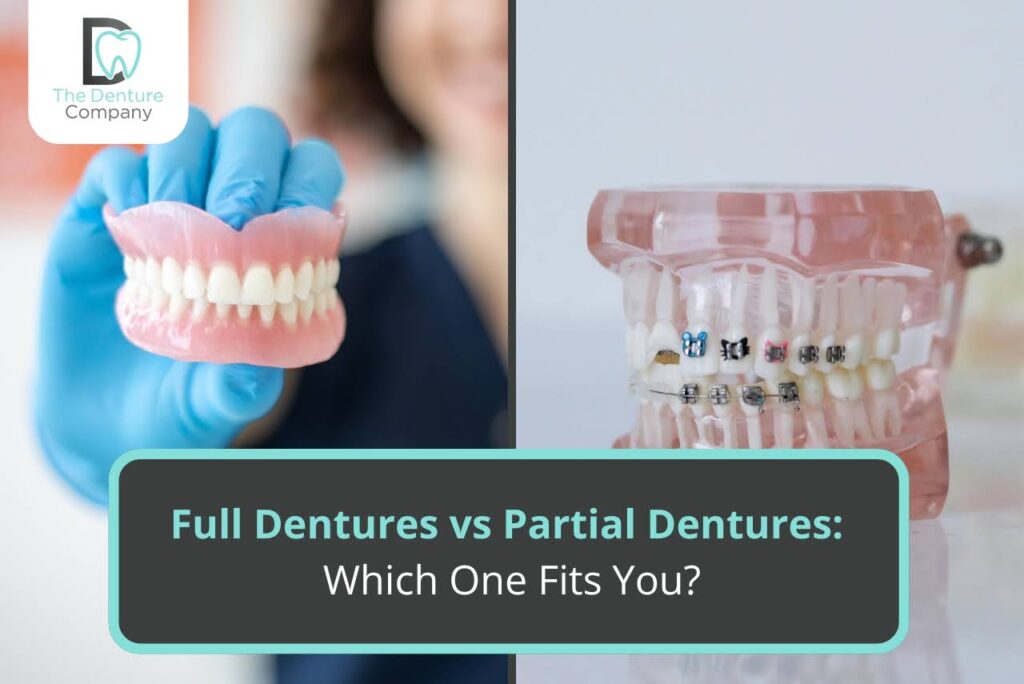
Full dentures are designed to replace an entire arch of missing teeth, whether in the upper or lower jaw. They rest on the gums and are custom-made to fit the unique contours of your mouth.
In cases where tooth extractions are necessary, immediate dentures can be placed on the same day to ensure you never go without teeth during the healing period. Conventional full dentures, however, are fitted after the gums have fully healed, which often results in a better fit.
Some patients opt for full mouth denture implants, which anchor the denture securely to the jawbone, offering a more stable and natural-feeling solution. Full dentures not only restore appearance but also improve bite function, making daily activities like eating and speaking much easier.
Advances in materials have also made full dentures lighter and more comfortable for long-term wear. For more details on denture types and benefits, refer to American Dental Association (ADA).
Who Needs Full Dentures?
Full dentures are typically recommended for patients who have lost all their teeth due to decay, gum disease, or trauma. Individuals with advanced periodontal disease often opt for full dentures after other treatments have failed to save their natural teeth.
Seniors in Nampa commonly consider full dentures to improve their oral health and regain lost function. CMS (Centers for Medicare & Medicaid Services) coverage can help manage the cost of full dentures, ensuring they’re accessible to individuals who meet eligibility criteria.
Many seniors in Nampa turn to The Denture Company for full dentures after dealing with extensive tooth loss. Our team also assists patients in navigating Medicaid dental coverage to make treatment more affordable and stress-free.
Benefits of Full Dentures
Full dentures bring multiple benefits that go beyond aesthetics. They allow you to enjoy a wider variety of foods, improving your overall nutrition. By supporting your cheeks and lips, they prevent the sunken look that often accompanies tooth loss.
Compared to dental implants, full dentures are a more cost-effective solution, especially for patients needing a complete set of teeth. They are removable, which makes daily cleaning and maintenance simple.
Full Mouth Denture Implants
For patients seeking enhanced stability, full mouth denture implants are a modern alternative to traditional removable dentures. These dentures are anchored to titanium implants surgically placed into the jawbone.
This solution prevents the slipping and discomfort often associated with adhesive-reliant dentures. Implant-supported dentures also help preserve jawbone density by stimulating bone tissue, reducing bone loss over time.
At The Denture Company, we offer full mouth denture implants for patients seeking a more permanent and secure solution. With sedation dentistry options available, we ensure your treatment is comfortable from start to finish. Our experienced team can guide you through the process and discuss flexible payment plans if needed.
What Are Partial Dentures?
Partial dentures are used when you still have some healthy natural teeth remaining. They fill in gaps caused by missing teeth and are designed to blend seamlessly with your existing teeth. Options include flexible partial dentures, made from soft, bendable materials that adapt to your mouth for added comfort.
There are also upper partial dentures for those who are missing teeth in the upper jaw and partial dentures for front teeth that are crafted to restore your smile’s appearance. Partial dentures are removable and are designed to clip securely onto neighboring teeth, ensuring a snug and stable fit. They are often the preferred choice for patients seeking a non-invasive, cost-effective solution.
Who Needs Partial Dentures?
Patients who have lost a few teeth but retain strong, healthy remaining teeth are excellent candidates for partial dentures. This option helps maintain the alignment of remaining teeth, preventing them from shifting into the empty spaces. Partial dentures are often the first step for patients who may eventually require full dentures, giving them a cost-effective interim solution.
Benefits of Partial Dentures
Partial dentures provide functional and aesthetic benefits while preserving natural teeth. They’re typically more affordable for individuals missing only a few teeth and can be adjusted easily if additional tooth loss occurs.
Flexible partial dentures offer a lightweight, comfortable alternative to traditional rigid acrylic designs. Partial dentures also restore chewing efficiency, making it easier to enjoy a normal diet without discomfort. Many patients prefer partial dentures because they are less invasive than implants and require no surgery.
Permanent Partial Dentures
Permanent partial dentures, also known as dental bridges, are a fixed solution that is cemented onto adjacent teeth or attached to dental implants. Unlike removable partial dentures, permanent bridges remain in your mouth and function much like natural teeth.
Medicaid may assist with covering a portion of the costs, especially if the procedure is deemed medically necessary. Patients often choose permanent bridges for their long-lasting durability and natural feel.
Denture Implants: A Secure Choice
Denture implants offer superior retention by anchoring dentures directly to the jawbone. This eliminates the common issues of slippage and discomfort associated with traditional dentures. For upper dentures, upper denture implants provide extra security, ensuring the prosthesis stays in place even during eating or speaking.
Implant-supported dentures feel more like natural teeth and offer significant improvements in comfort and confidence. Though they involve a surgical procedure, the long-term benefits make them a popular choice for patients seeking a permanent and stable solution.
Denture implants also help maintain jawbone integrity, preserving facial structure over time. For more research-backed insights, you can visit the National Institute of Dental and Craniofacial Research (NIDCR).
Medicaid and Denture Coverage
Medicaid covers many essential denture services, including initial fittings, relines, and repairs. Advanced treatments, such as implants or permanent partial dentures, may require prior authorizations but are sometimes covered depending on medical necessity.
Navigating Medicaid can feel overwhelming, but The Denture Company’s team is experienced in helping patients maximize their benefits for denture services. From initial consultations to post-fitting adjustments, we make affordable dentures in Nampa accessible to everyone who qualifies.
Common Myths About Dentures
Many believe dentures are only for the elderly, but tooth loss can occur at any age due to injury or illness. Others fear that dentures will look unnatural or fall out while speaking. With today’s advanced materials and fitting technologies, modern dentures are designed to look and feel like natural teeth.
Some also assume that dentures eliminate the need for regular dental visits, but ongoing care is essential to ensure the health of your gums and the fit of your appliance. Addressing these misconceptions helps patients make informed decisions about their oral health. CDC Oral Health offers guidelines on denture hygiene and post-treatment care.
Making the Right Choice for Your Smile
Choosing between full dentures and partial dentures depends on how many teeth you’re missing, the condition of your gums, and your budget. For patients with widespread tooth loss, full dentures or implant-supported options offer the best solution.
Those with a few missing teeth may benefit more from partial dentures or permanent bridges. Consulting with a trusted dentist in Nampa ensures you receive a treatment plan tailored to your specific needs, supporting long-term oral health and confidence.
FAQS
Is it better to get full dentures or partials?
Complete dentures help support the facial muscles and prevent a sunken appearance by filling out the space in the jawbone.
Do regular dentures fit better than immediate dentures?
Temporary Dentures: These may require adjustments as they are not custom-fitted and can feel less comfortable. Permanent Dentures: Provide a precise fit and require only minor adjustments. They offer a more secure fit than temporary dentures for comfortable chewing and speaking.
What is the downside to full dentures?
While full dentures offer a viable solution for those with extensive tooth loss, they come with several disadvantages that need to be considered. Discomfort, difficulty with eating and speaking, the risk of slipping, and bone loss are just some of the challenges you may face.
What can you not do with partial dentures?
Biting into very hard foods such as nuts and unpopped popcorn or non-food objects such as pens and fingernails can damage dentures, just as they can chip or crack teeth.
Can you perform oral with partial dentures?
Yes, it is possible to perform oral sex while wearing partial dentures.